

Swapnil Patil
London-based artist creates luminous works that feel suspended between memory and architecture, drawing the viewer into quiet, atmospheric worlds shaped by absence, movement, and ecological fragility. Patil transforms light, time, and urban space into haunting visual landscapes. Working across photography, moving image, installation, and public art.
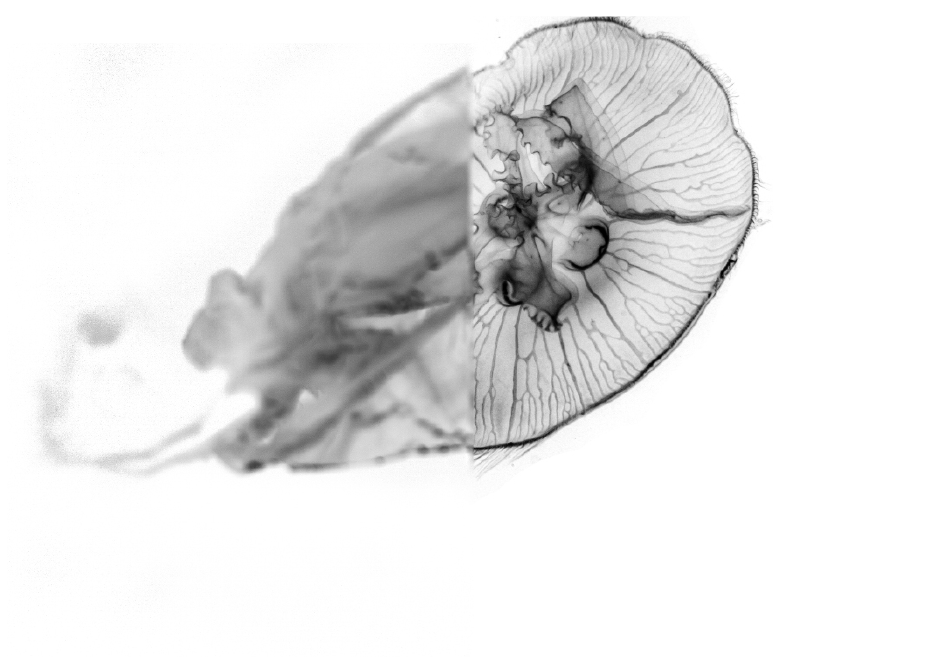
Floating Fallacy
Floating Fallacy
Floating Fallacy
From the Atelier Collection
- Swapnil Patil
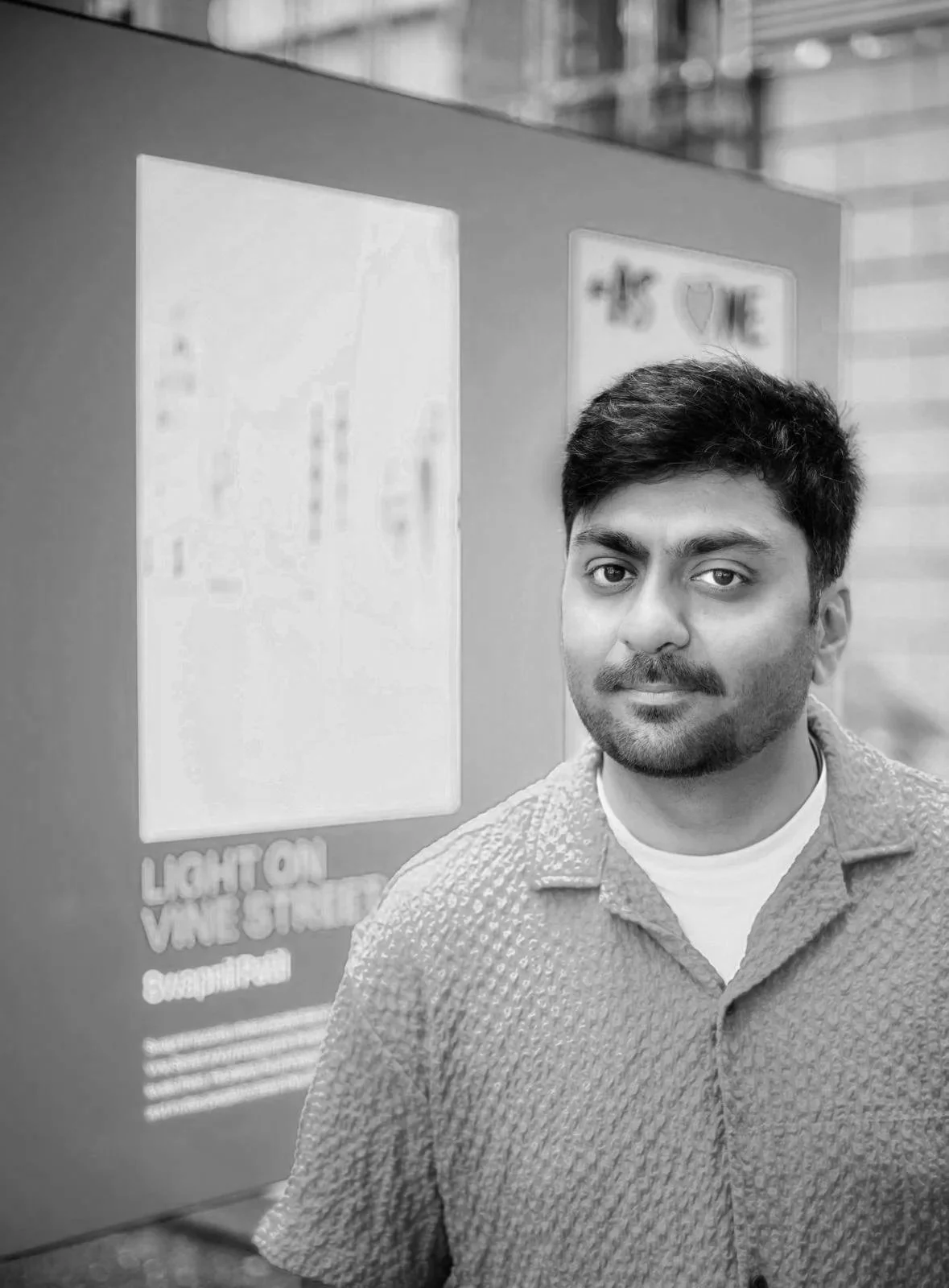
BiographySwapnil Patil is a London-based interdisciplinary artist working across photography, moving image, installation, and public art. Originally from New Delhi, his practice explores the relationship between memory, space, and ecological fragility, examining how human-made environments shape perception and collective experience.
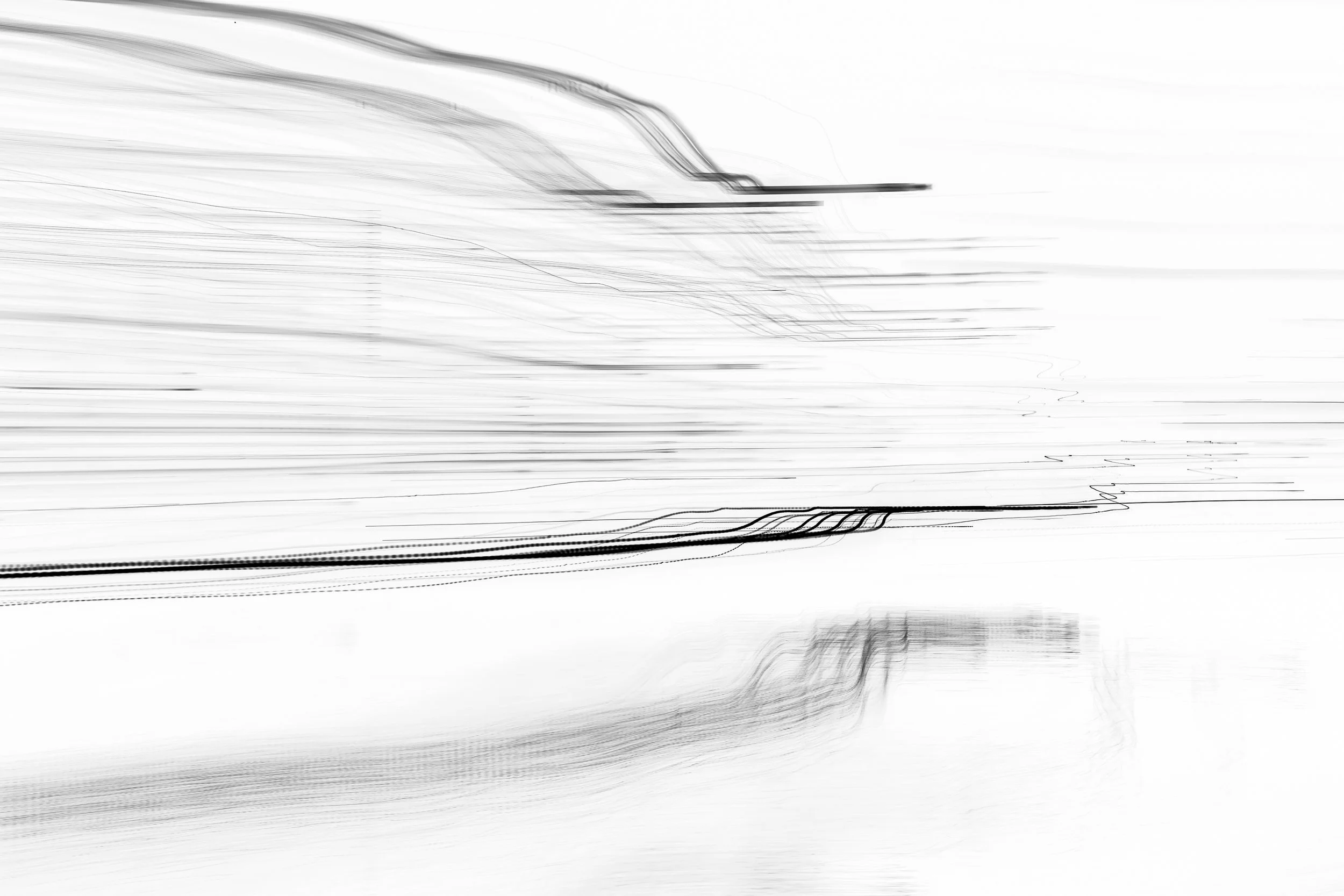
His work engages with absence, stillness, and the traces of human presence within architectural and urban landscapes. Through long-exposure techniques and experimental processes, he constructs images that compress time and movement into layered visual forms, where light becomes both subject and material.
Patil’s recent projects extend into moving image and immersive installation, exploring themes of isolation, environmental crisis, and the politics of space. His work has been exhibited across the UK and internationally, including public installations in London, exhibitions with The Culture Trust Luton, and screenings with City Space Architecture in Bologna. He has an MA in Public Art and Performative Practices from London Metropolitan University and a BA in Photography (Hons) from London South Bank University.
The artist’s photographic works are produced as large-scale A1 archival pigment prints on Hahnemühle Silver Pearl paper, selected for its reflective surface and tonal depth, which enhance the interaction of light within the image.
Working across digital photography, long-exposure image-making, moving image, experimental film, and installation, the practice uses light as a primary material. Natural and artificial light shape atmosphere, movement, and spatial perception throughout the work.
The work is developed through the artist’s Inverse Chrono-Spatial Axis Shift methodology, or ICSAS, combining long-duration exposure, controlled camera movement, digital inversion, and tonal restructuring. This process moves the image beyond direct representation, creating abstract spatial compositions where time, motion, and memory are compressed into a single frame.
Materials & method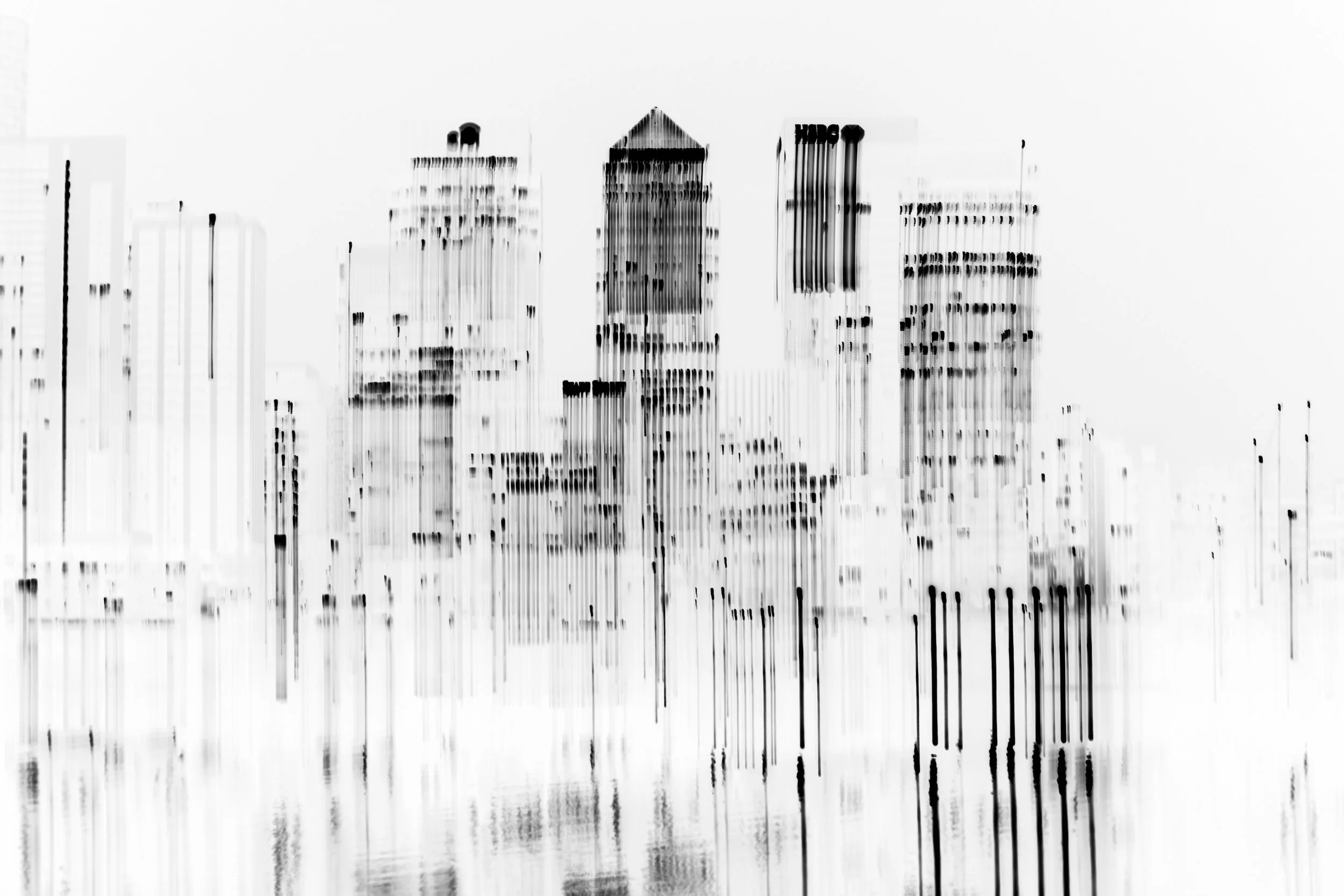
The Empty Spaces
The Empty Spaces
The Empty Spaces
The Empty Spaces
The Empty Spaces
The Empty Spaces
The Empty Spaces
The Empty Spaces
The Empty Spaces
“Each piece holds fragments of time, memory, and movement, compressed into a single frame. It isn’t about what is shown, but what is felt and carried beyond it. The work is open, and its meaning shifts with you. I hope you find something of yourself within it.”
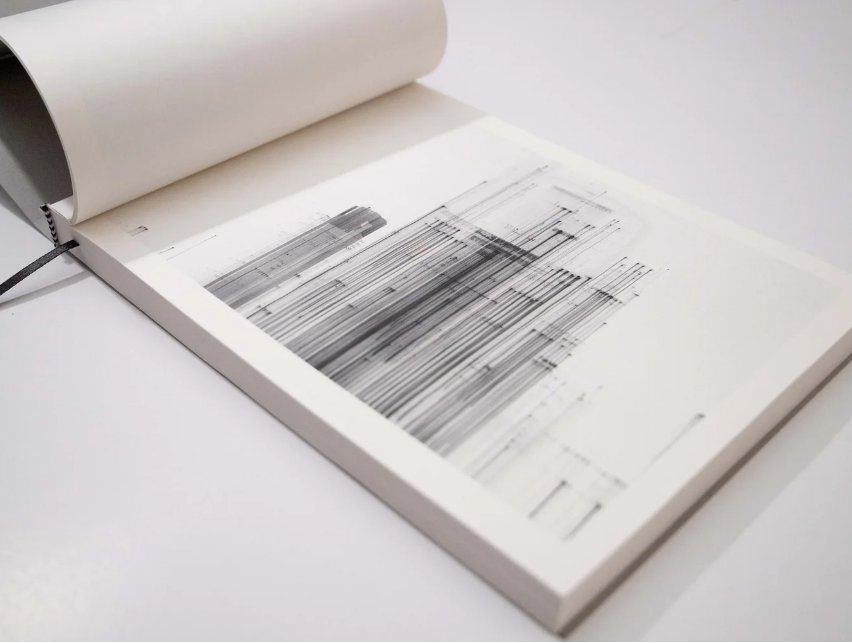
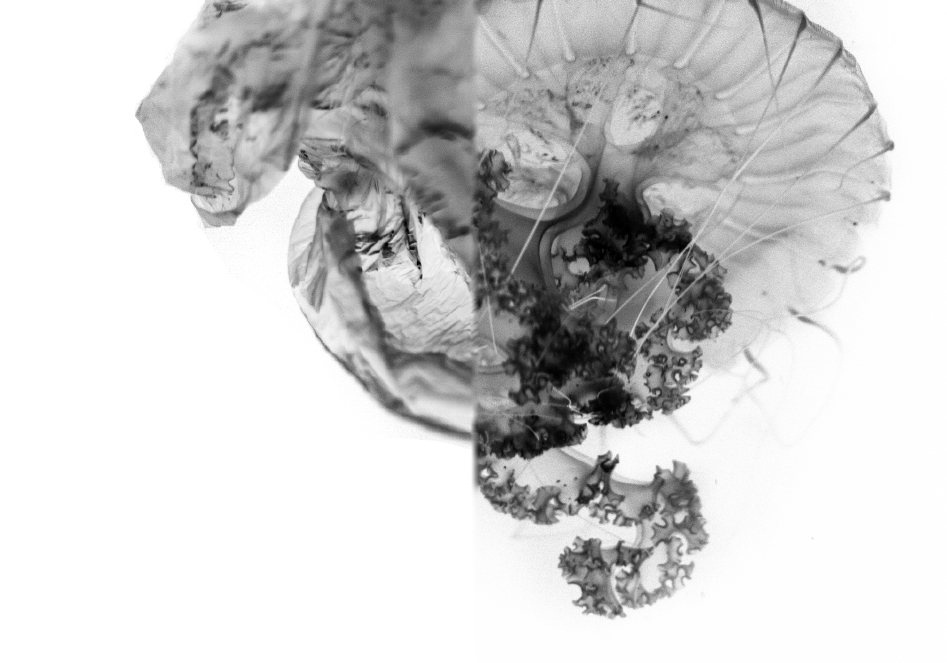
Floating Fallacy 2020
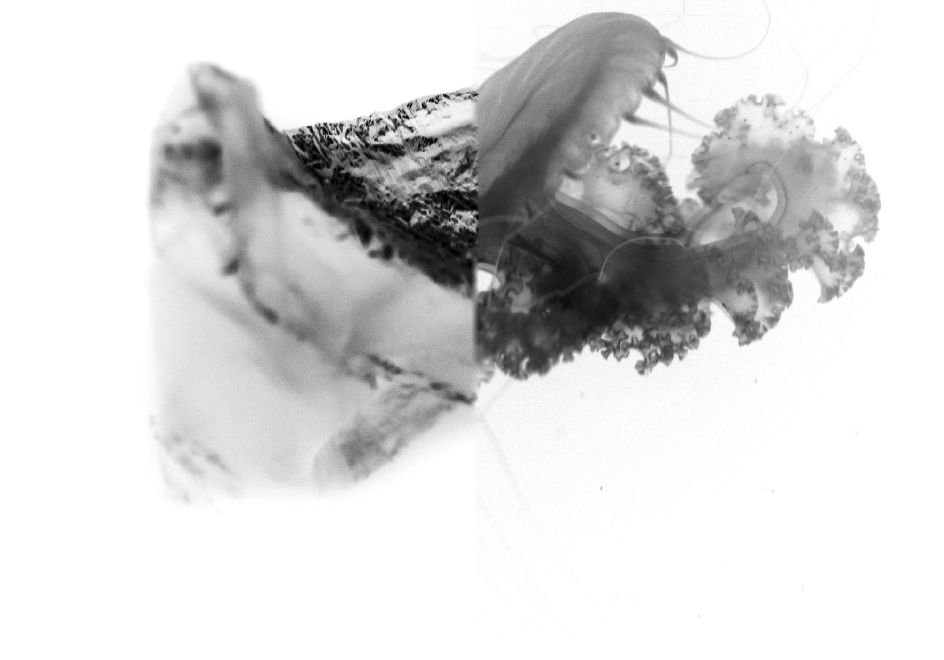
Floating Fallacy 2020
Floating Fallacy 2020
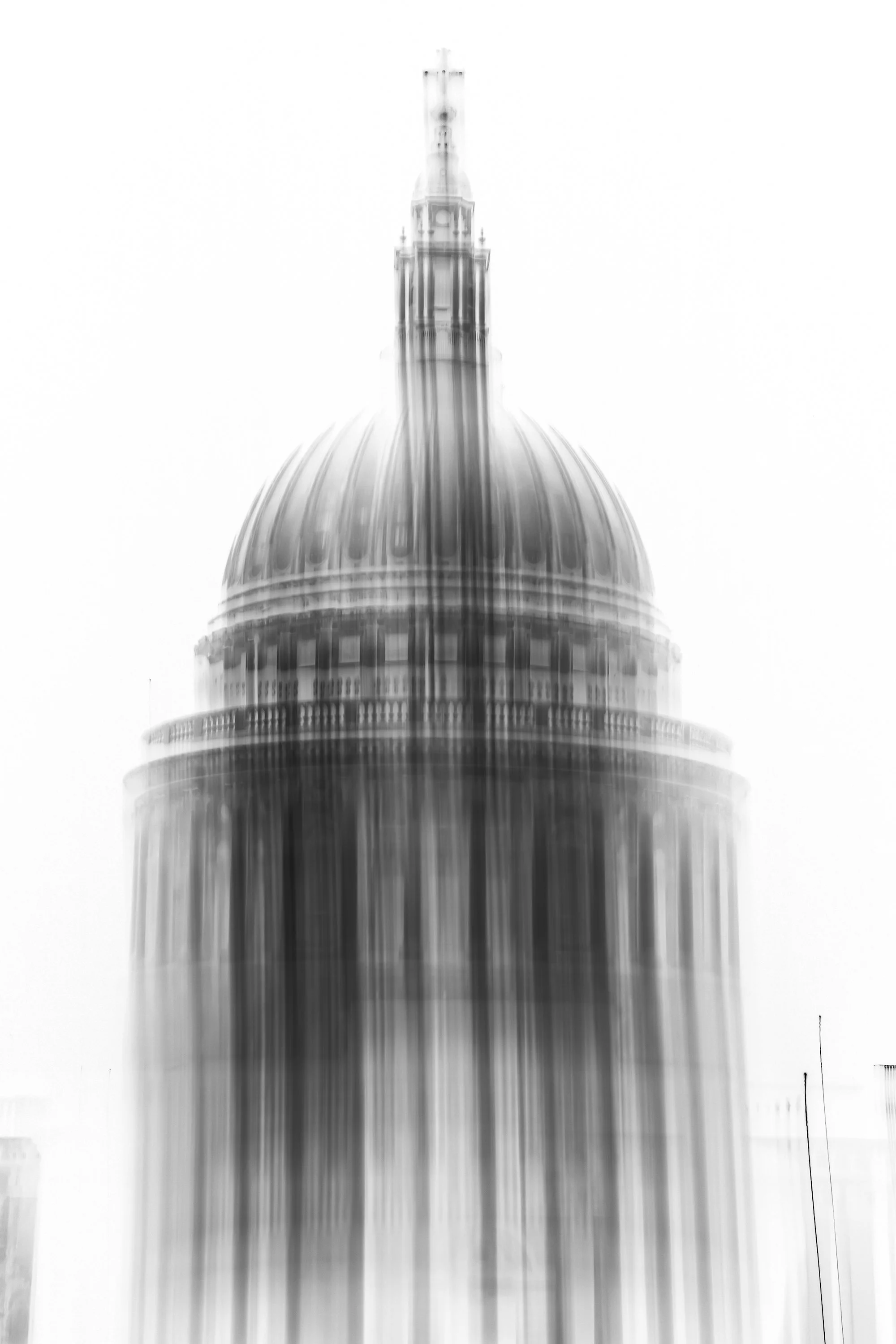
The Empty Spaces 2023
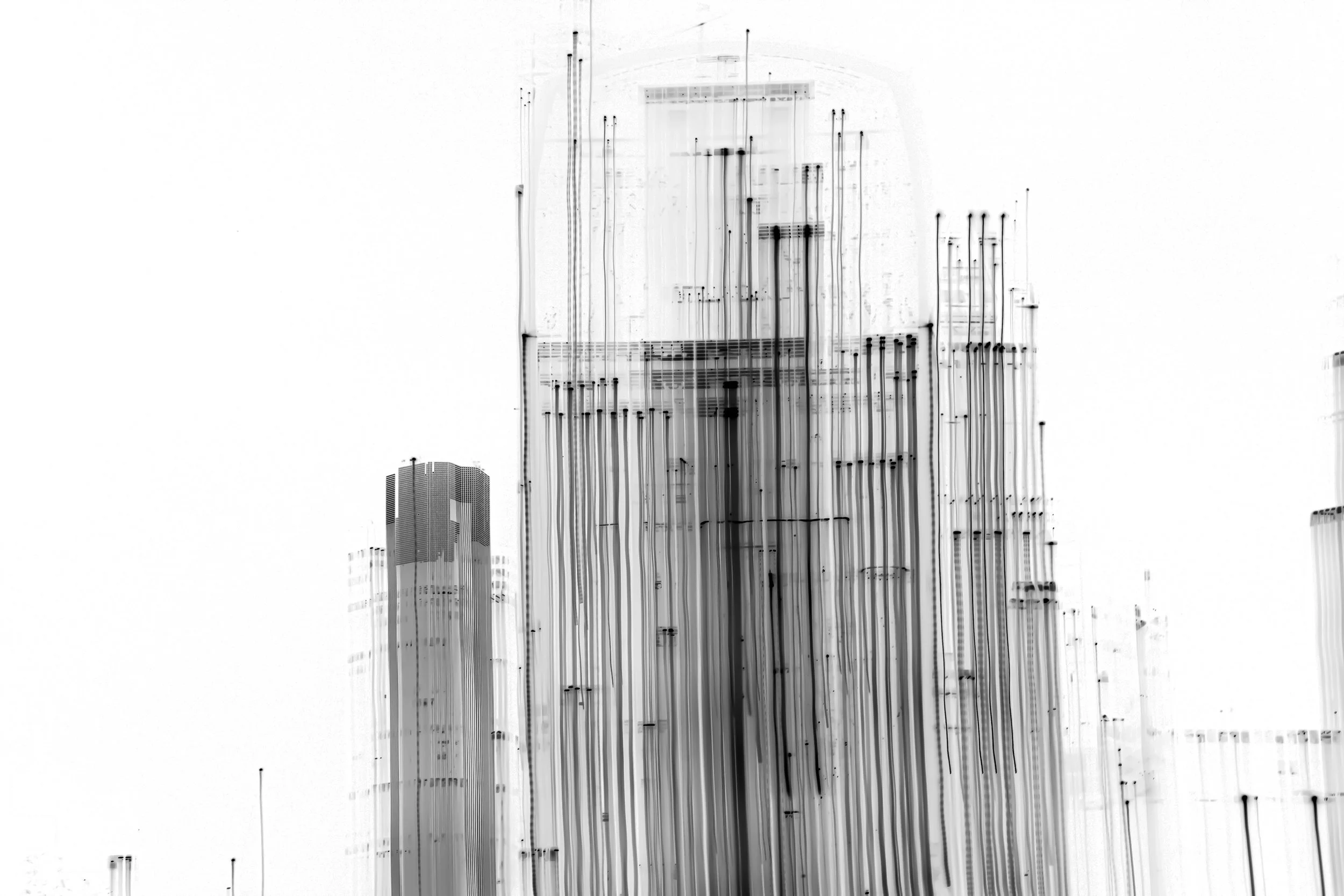
The Empty Spaces 2020
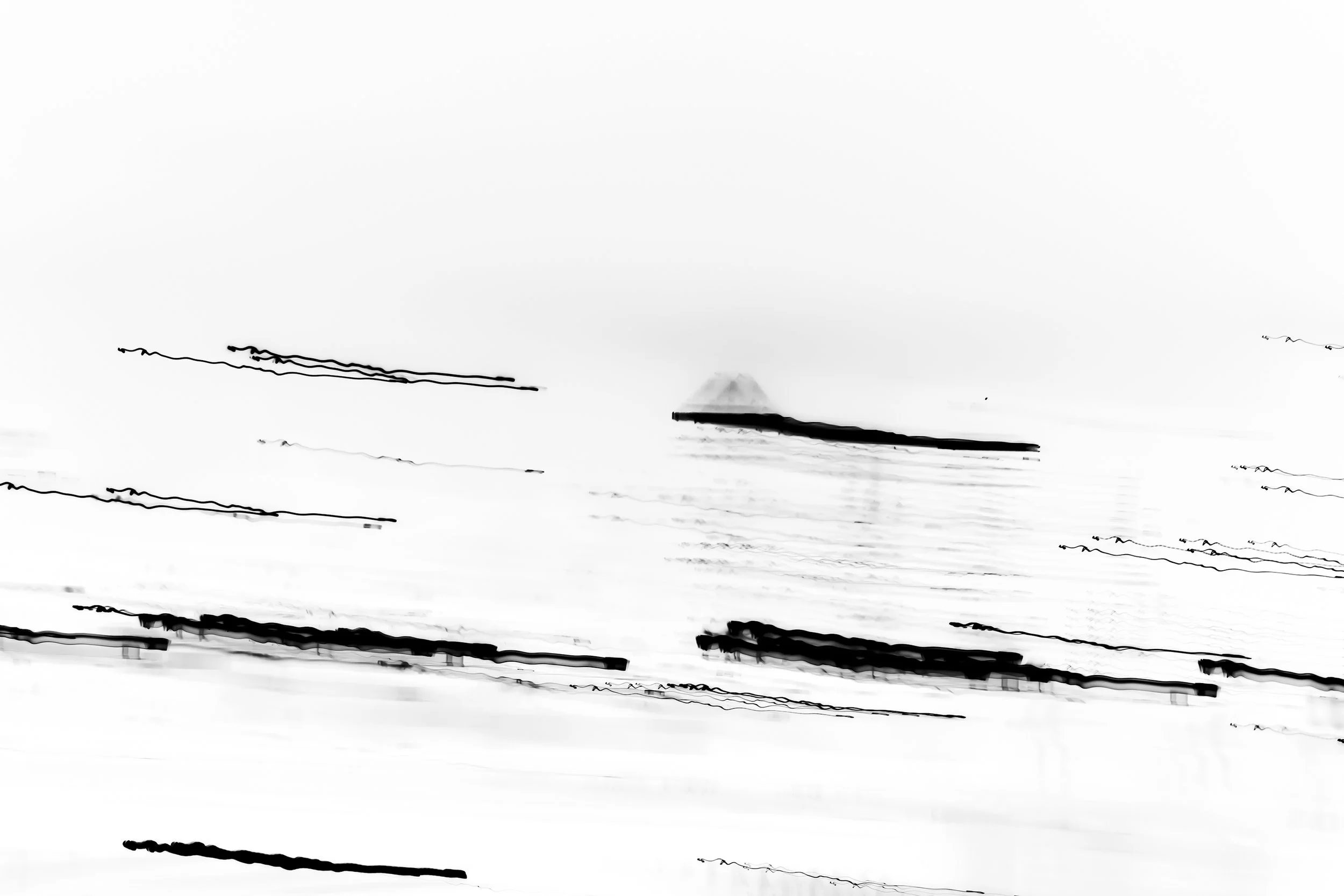
The Empty Spaces 2021
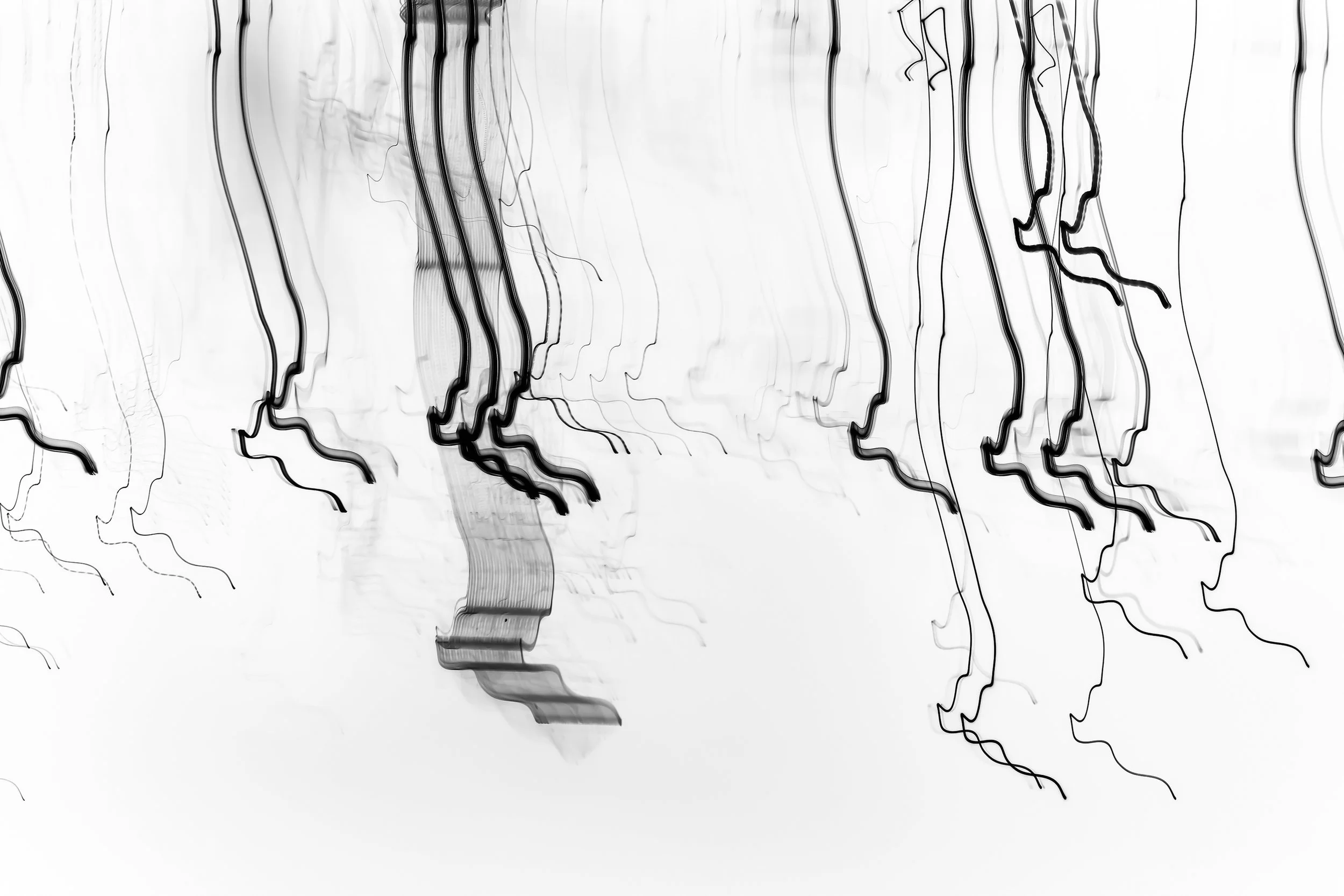
The Empty Spaces 2020

The Empty Spaces 2020
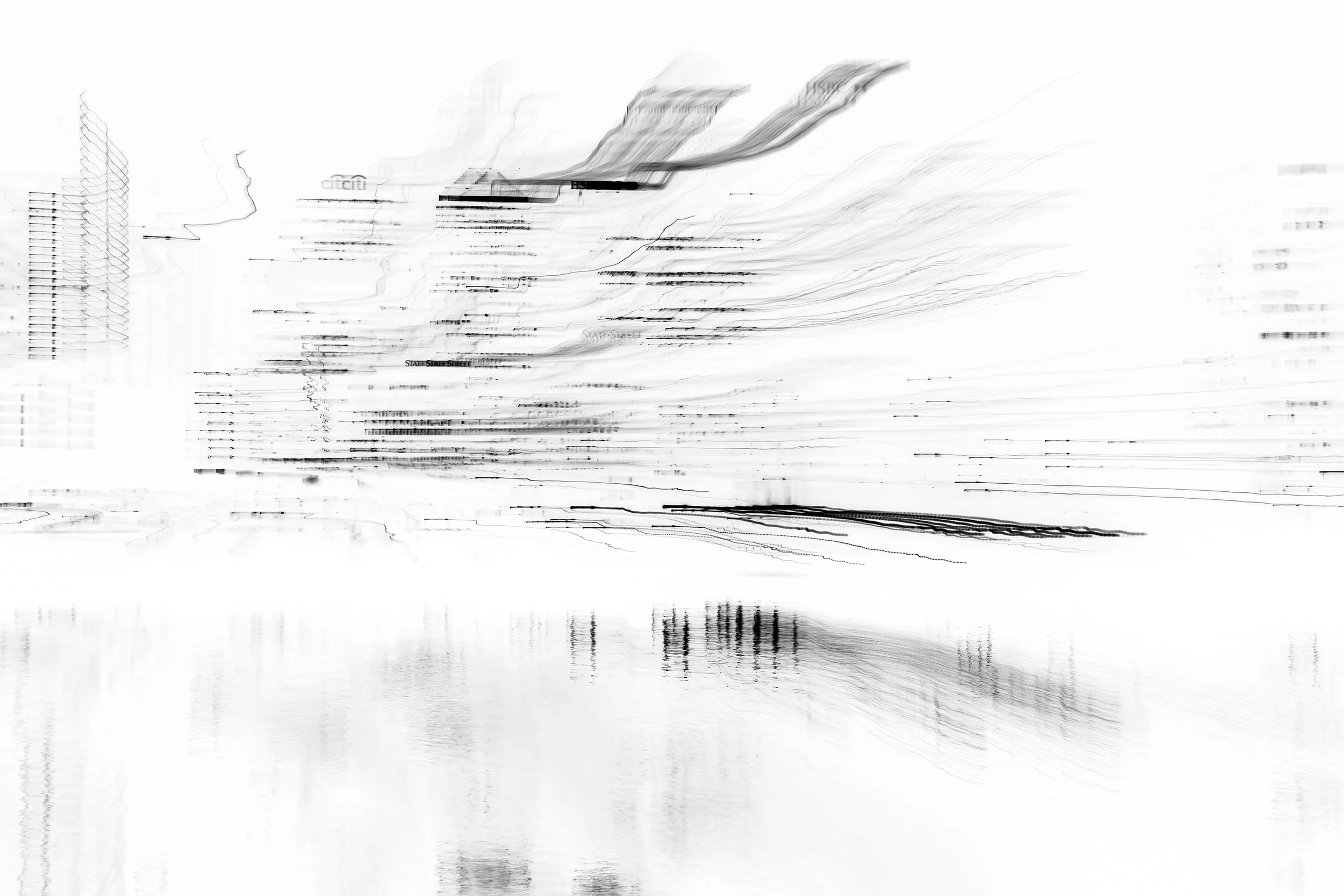
The Empty Spaces 2021

The Empty Spaces 2021
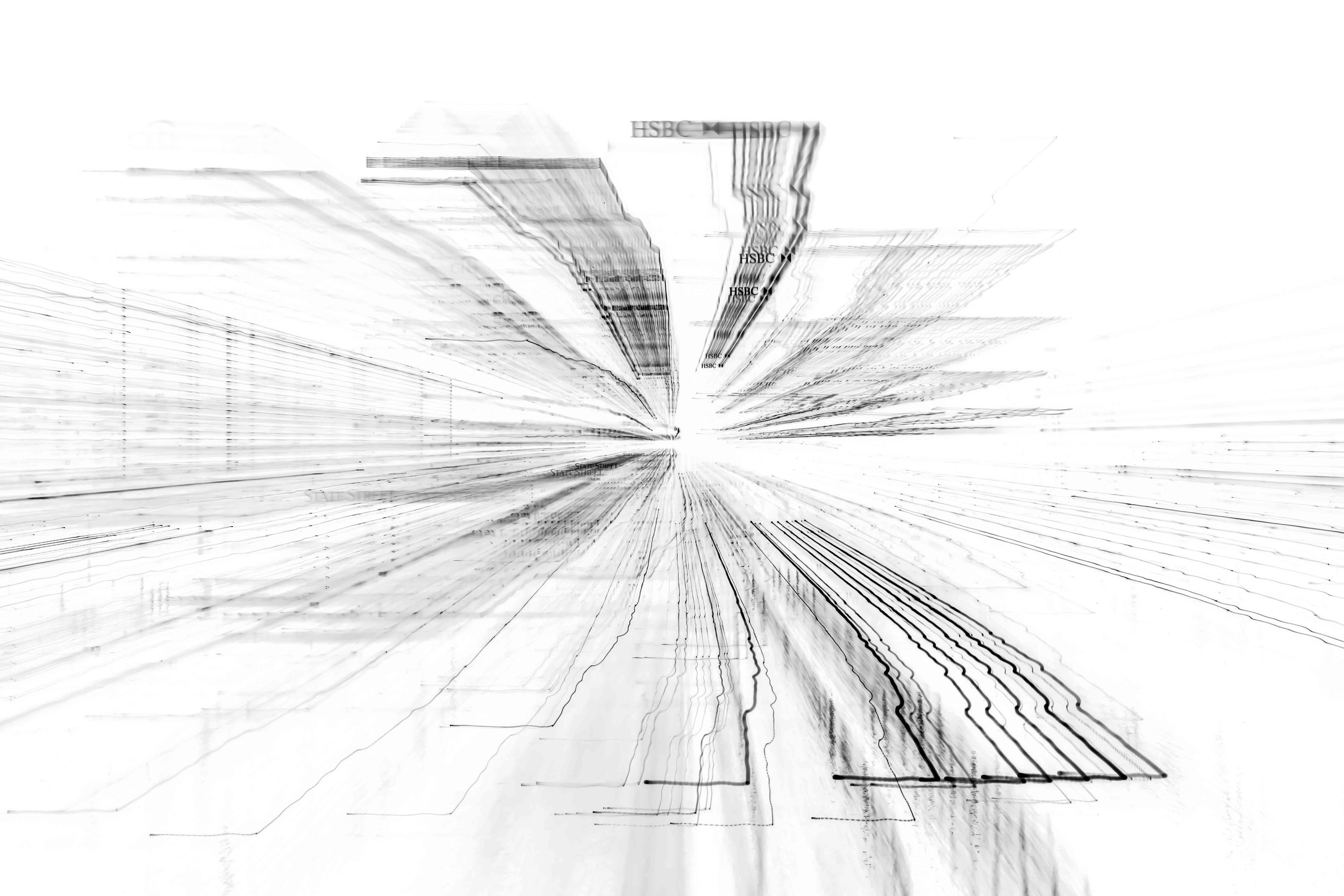
The Empty Spaces 2021
The Empty Spaces 2021