Tim Muddiman
British artist Tim Muddiman investigates how architectural spaces register historical continuity and human presence. Working across oil painting and archival photography, he distils domestic facades and interiors into restrained studies of planar geometry and tonal light.
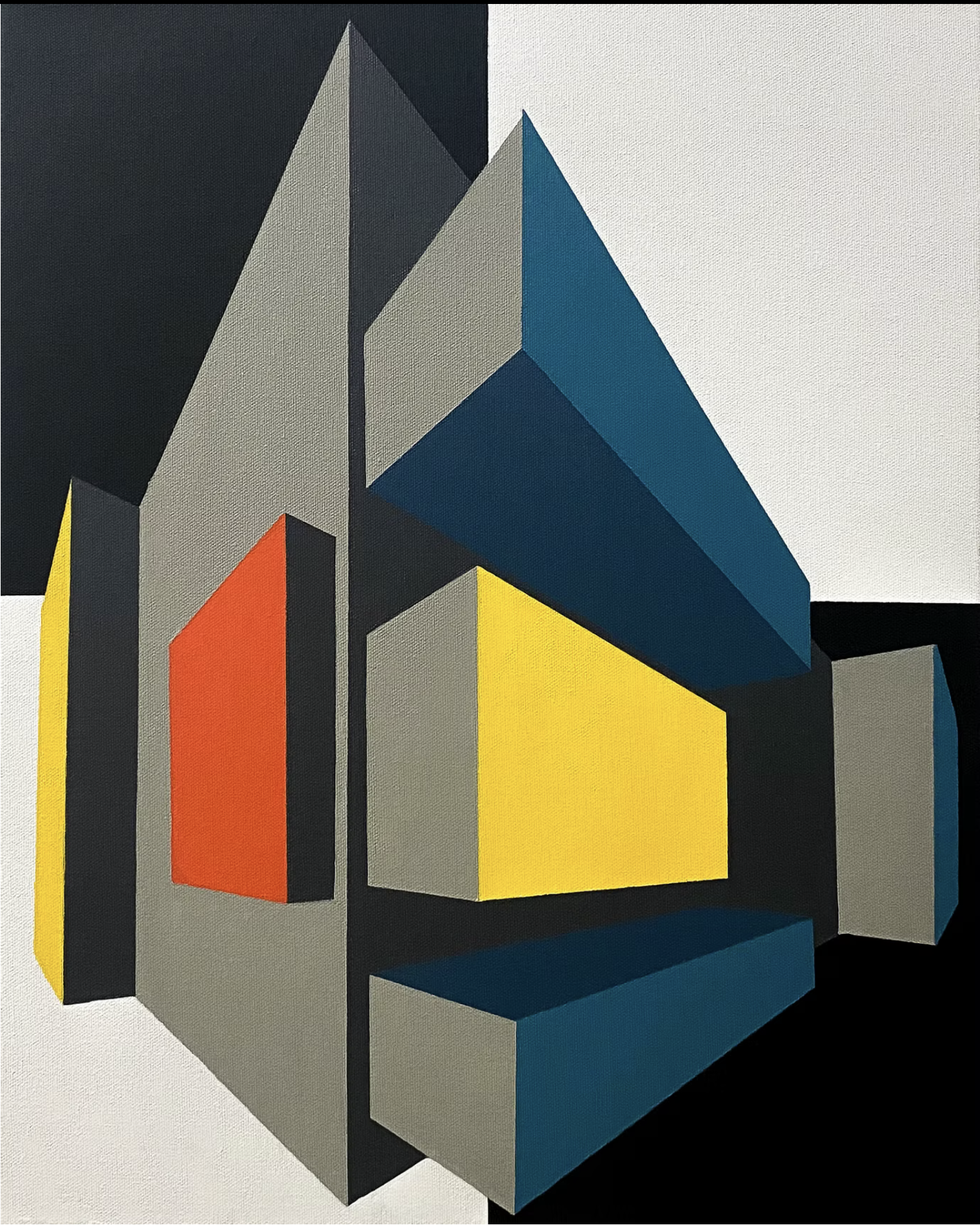
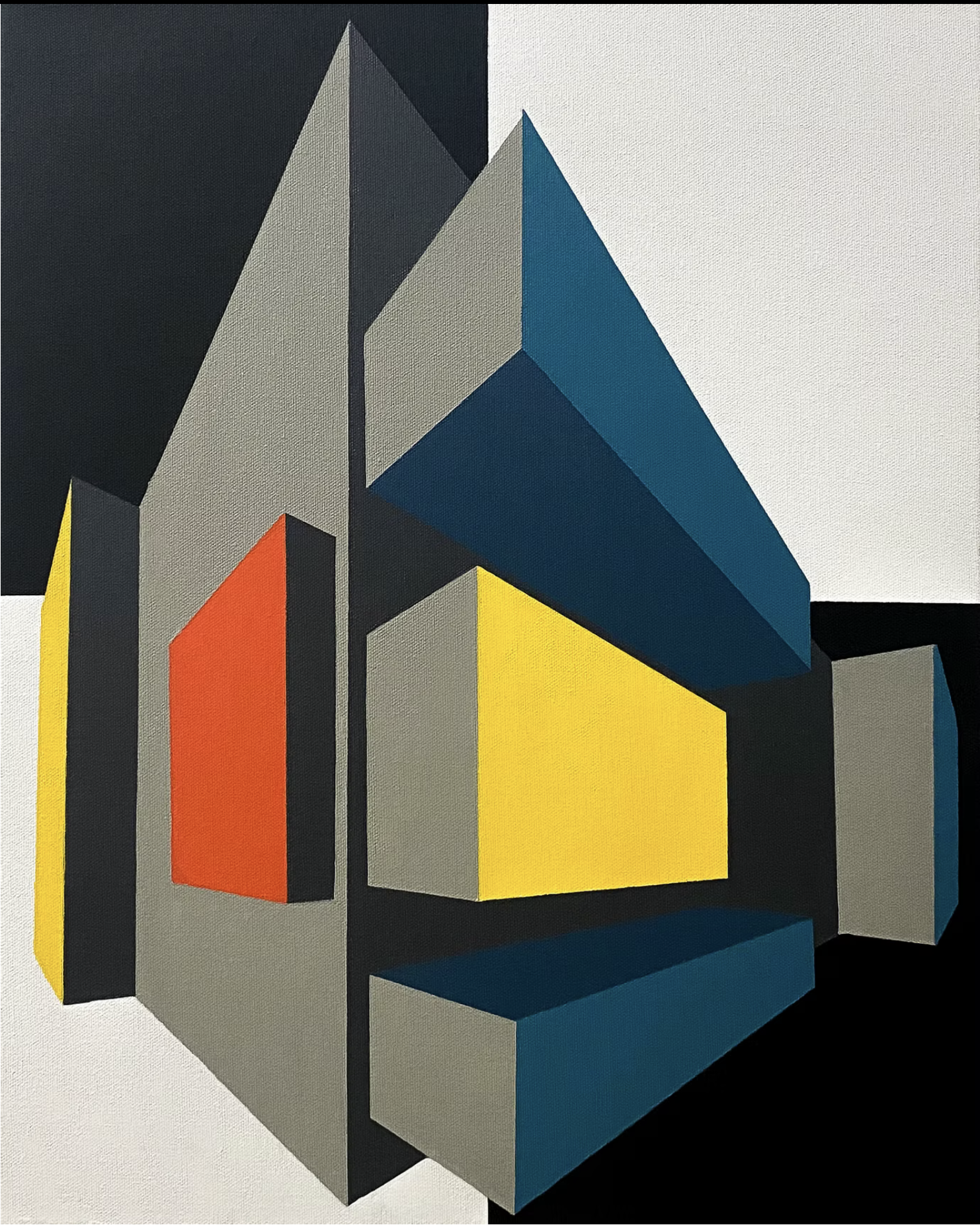
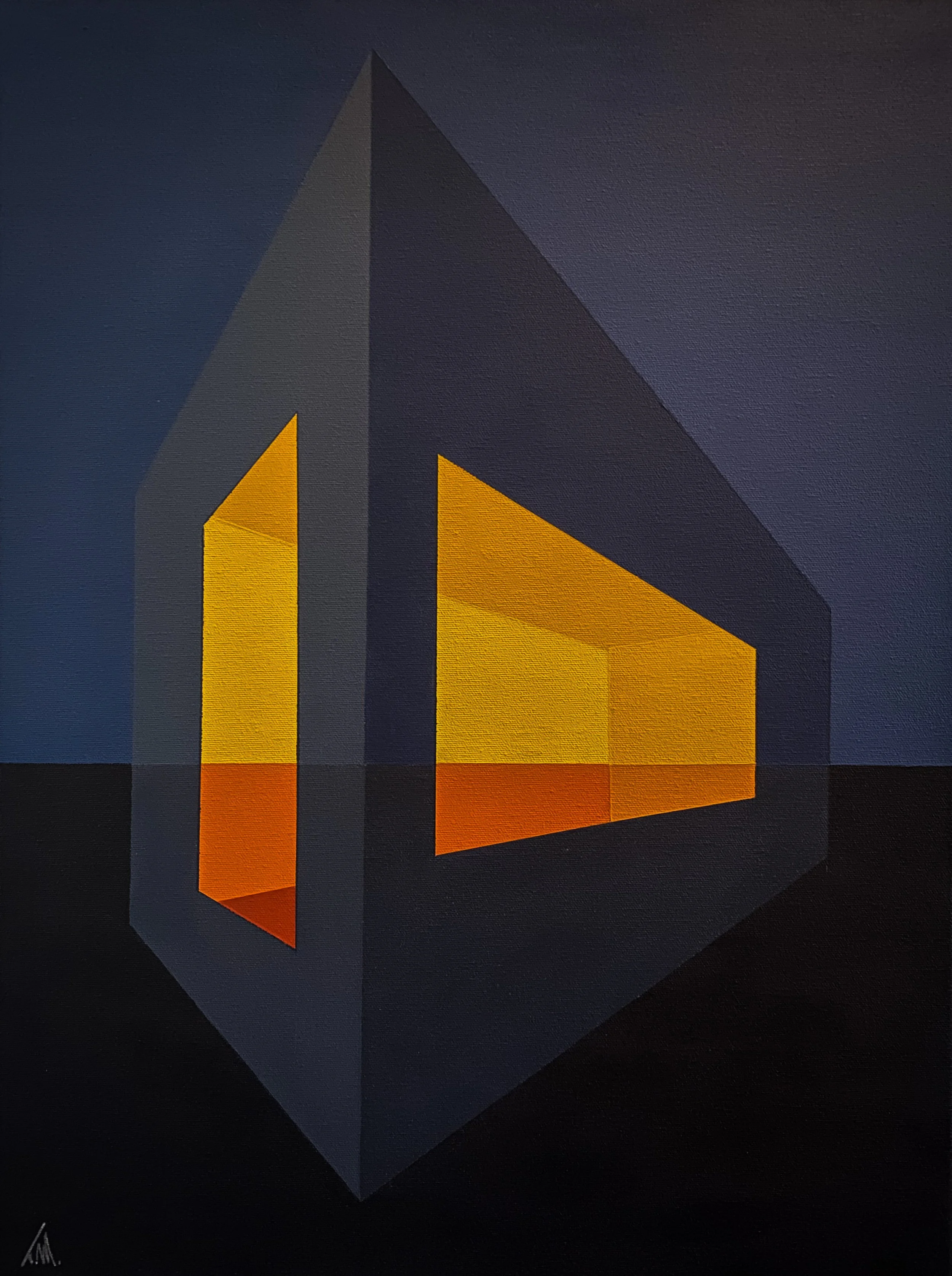
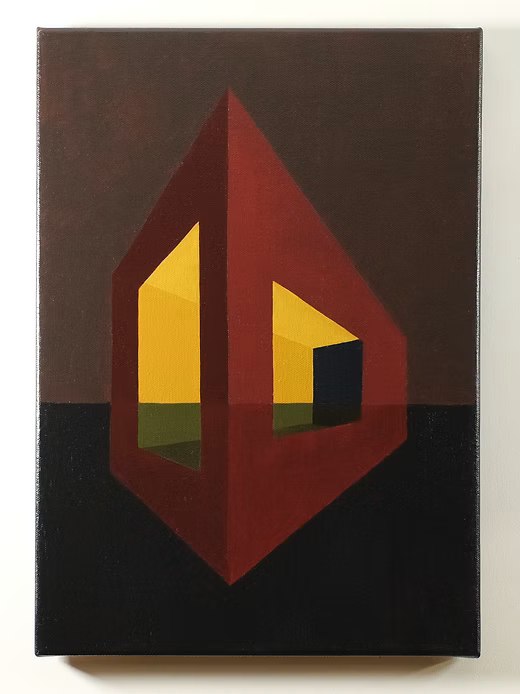
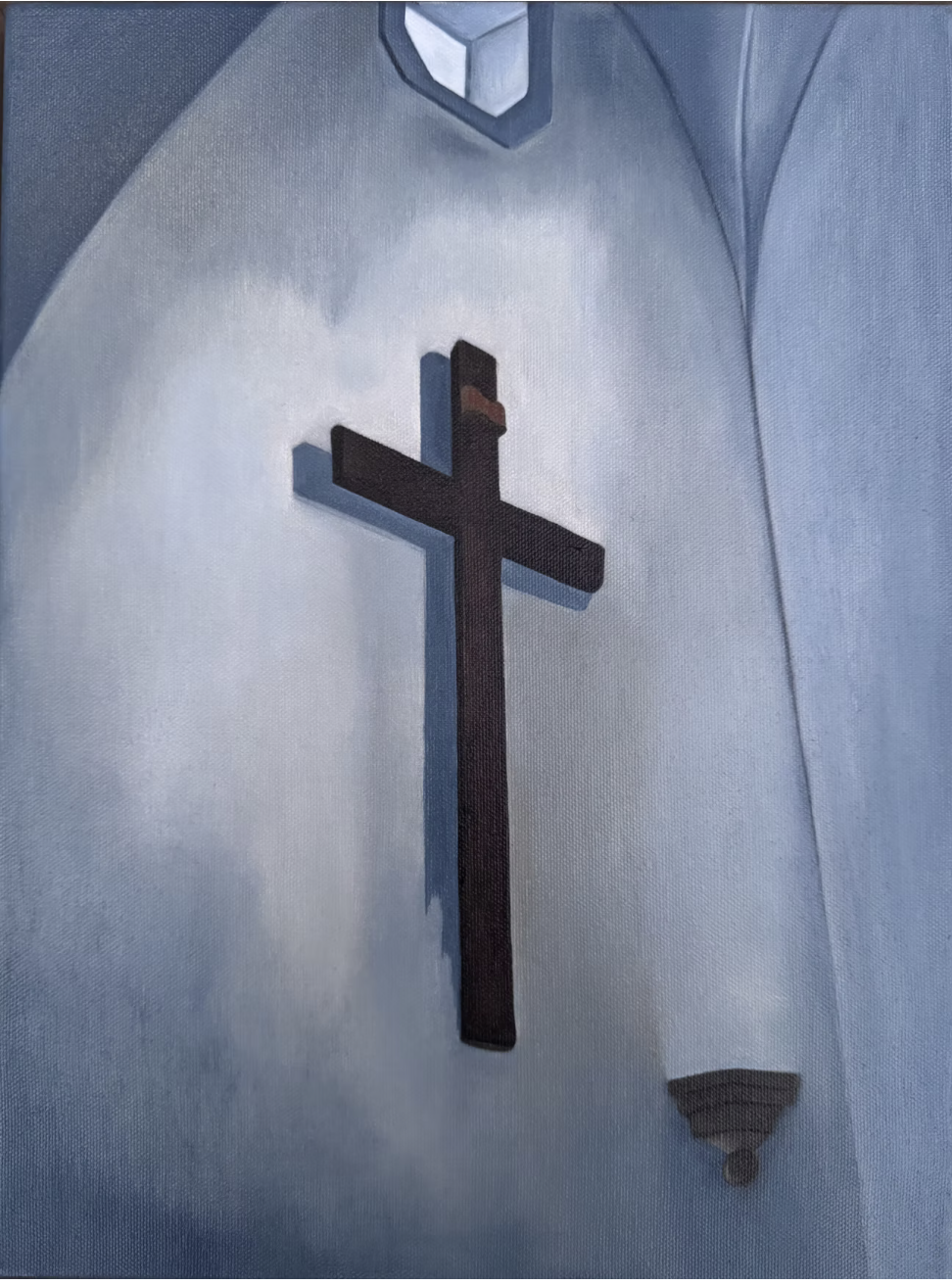
Geometric
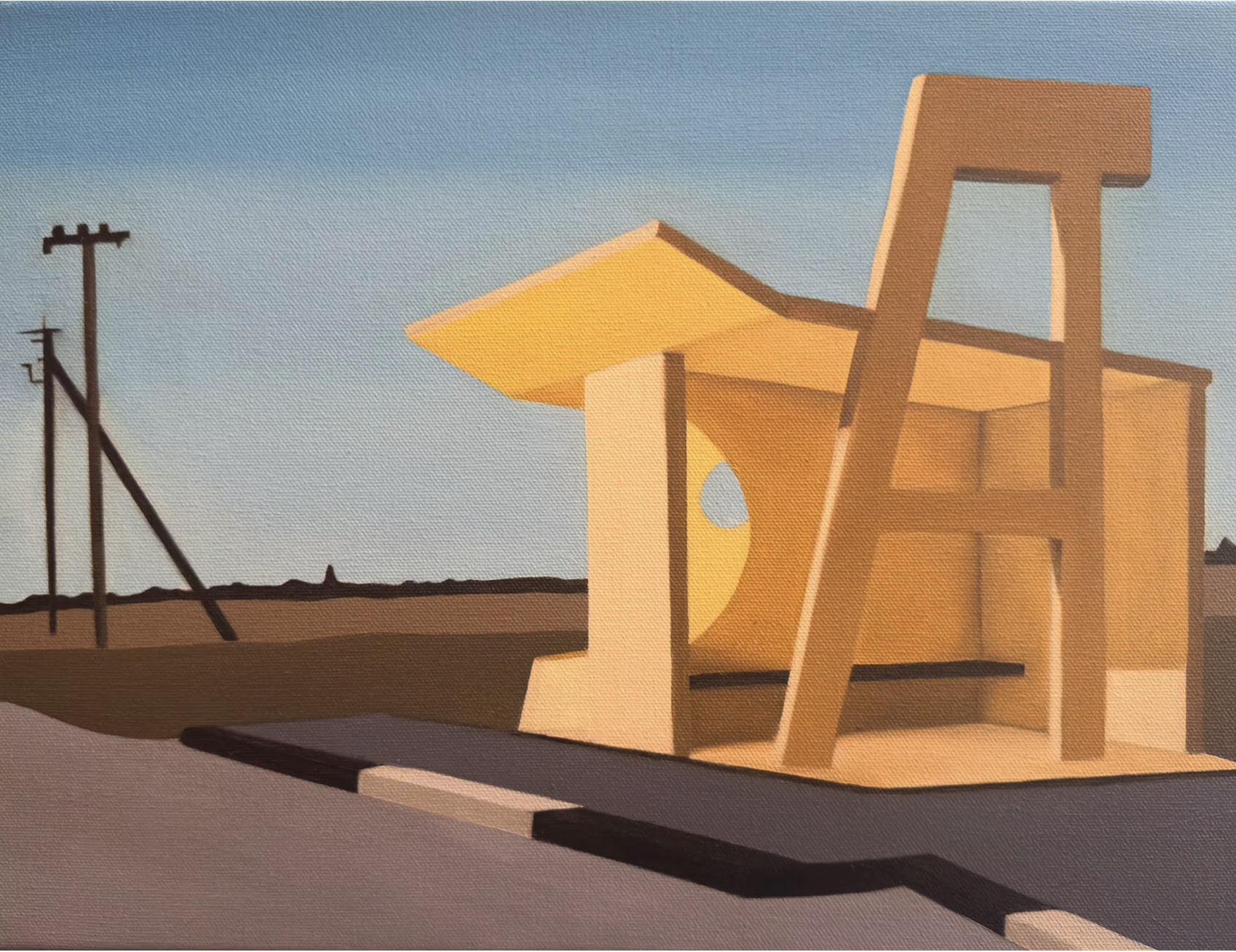
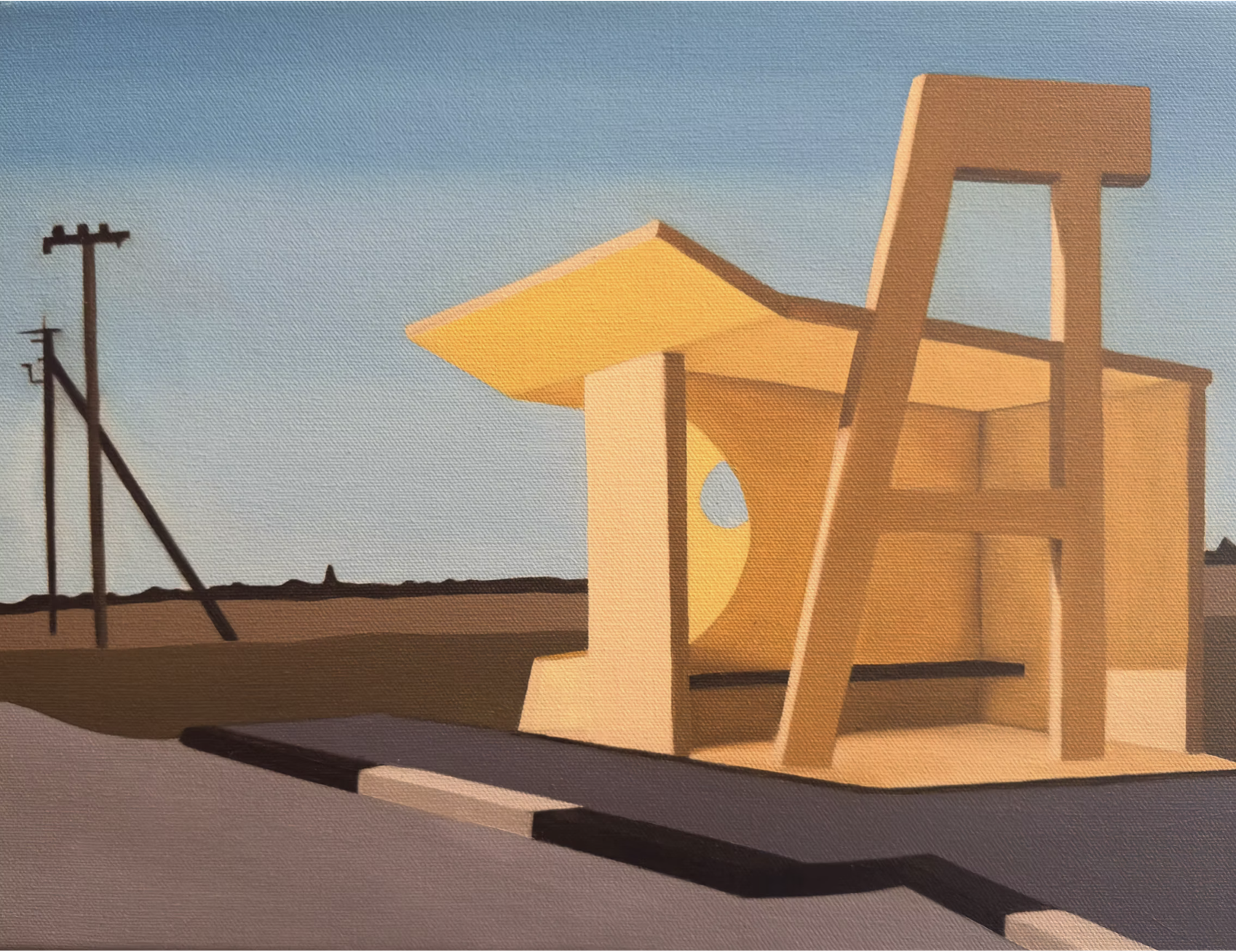
Soviet Bus Stop
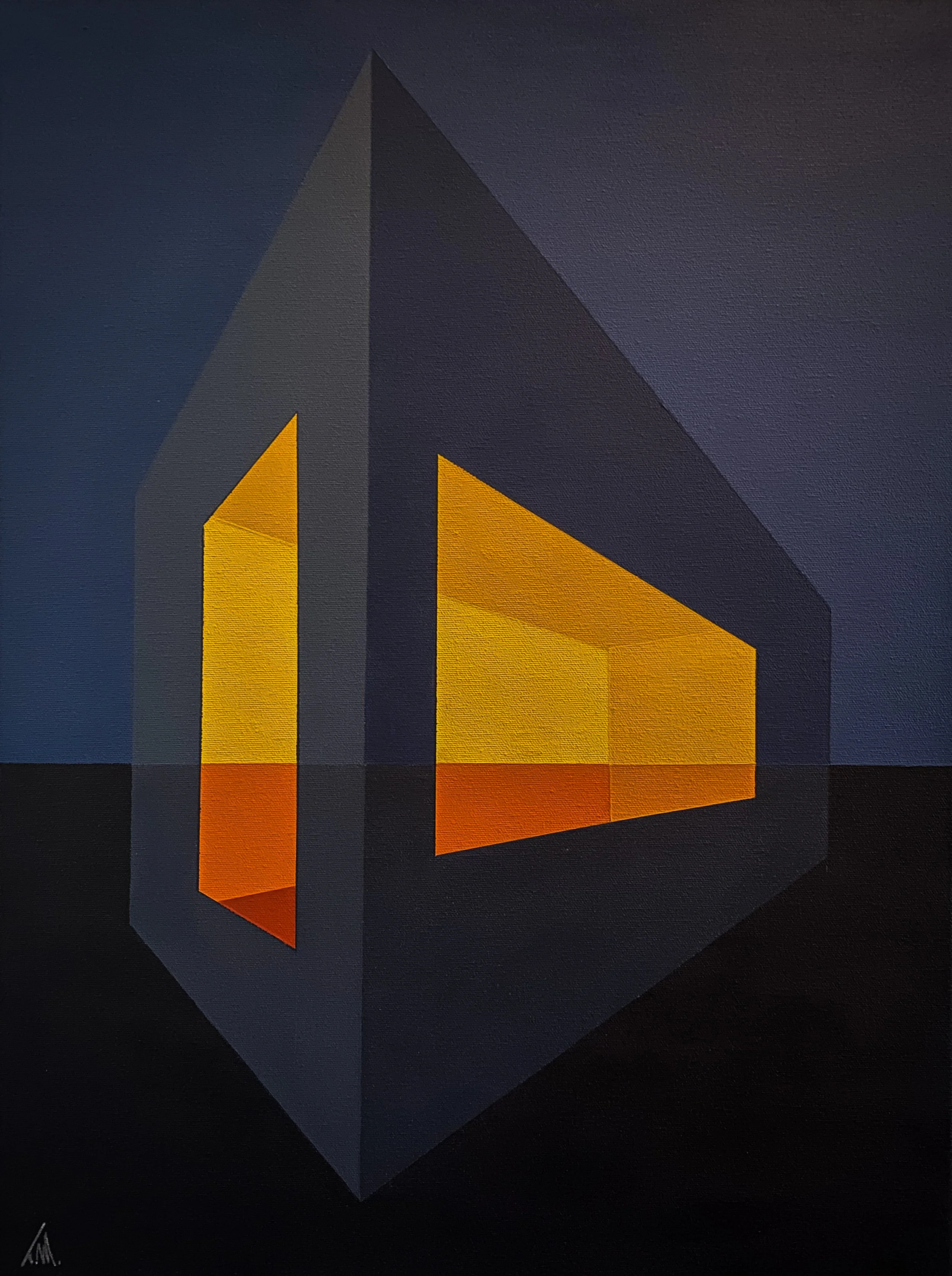
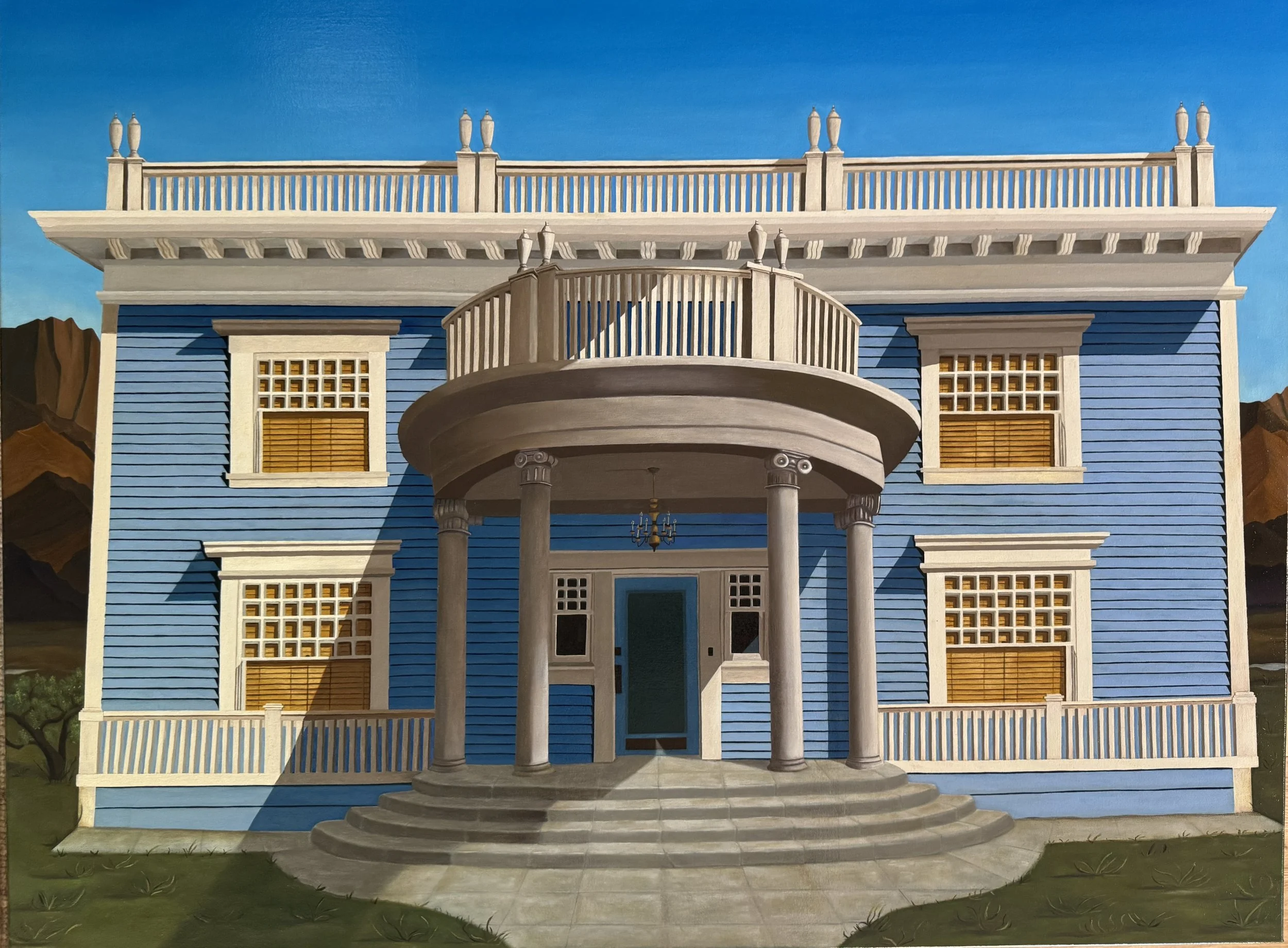
Jack House
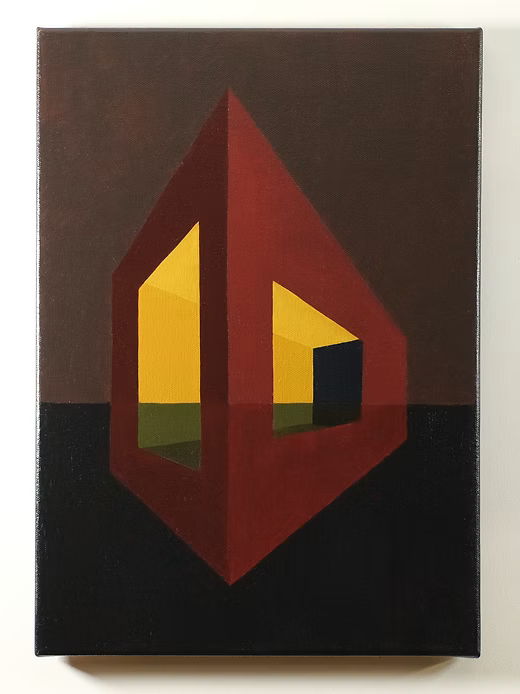
23 x 31 cm , Oil on Canvas
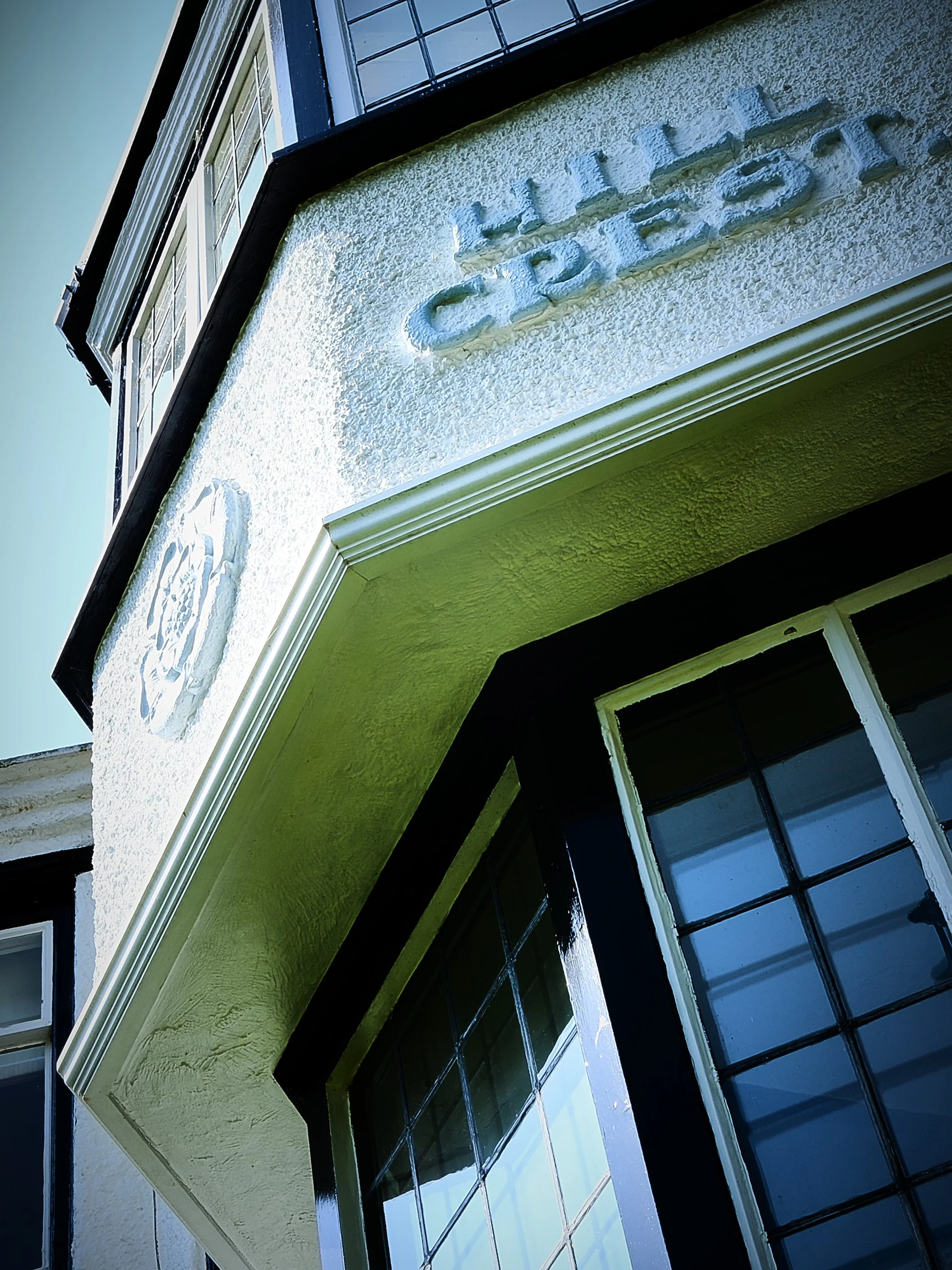
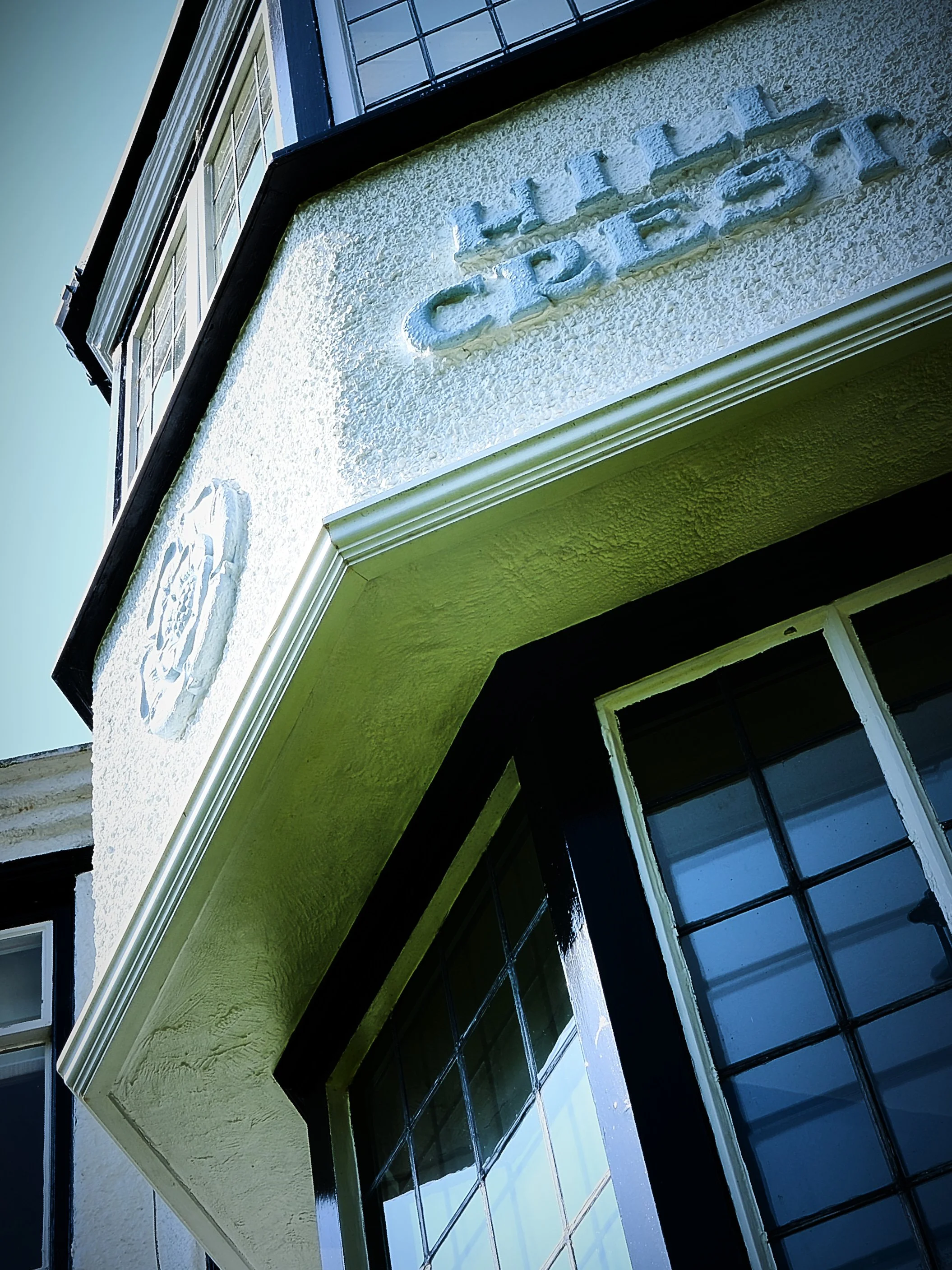
Hillcrest Alexander Ellis Anderson Project Photo
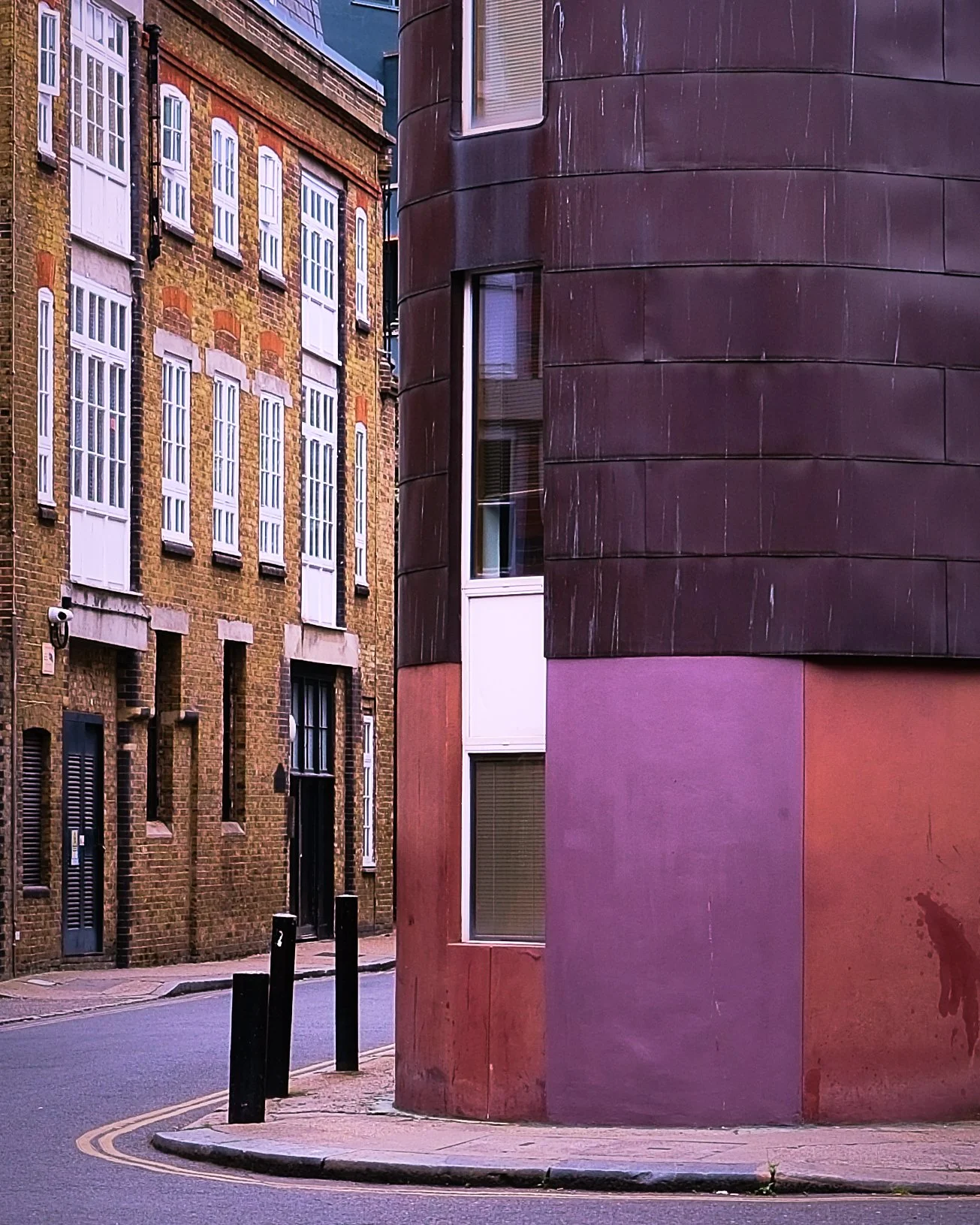
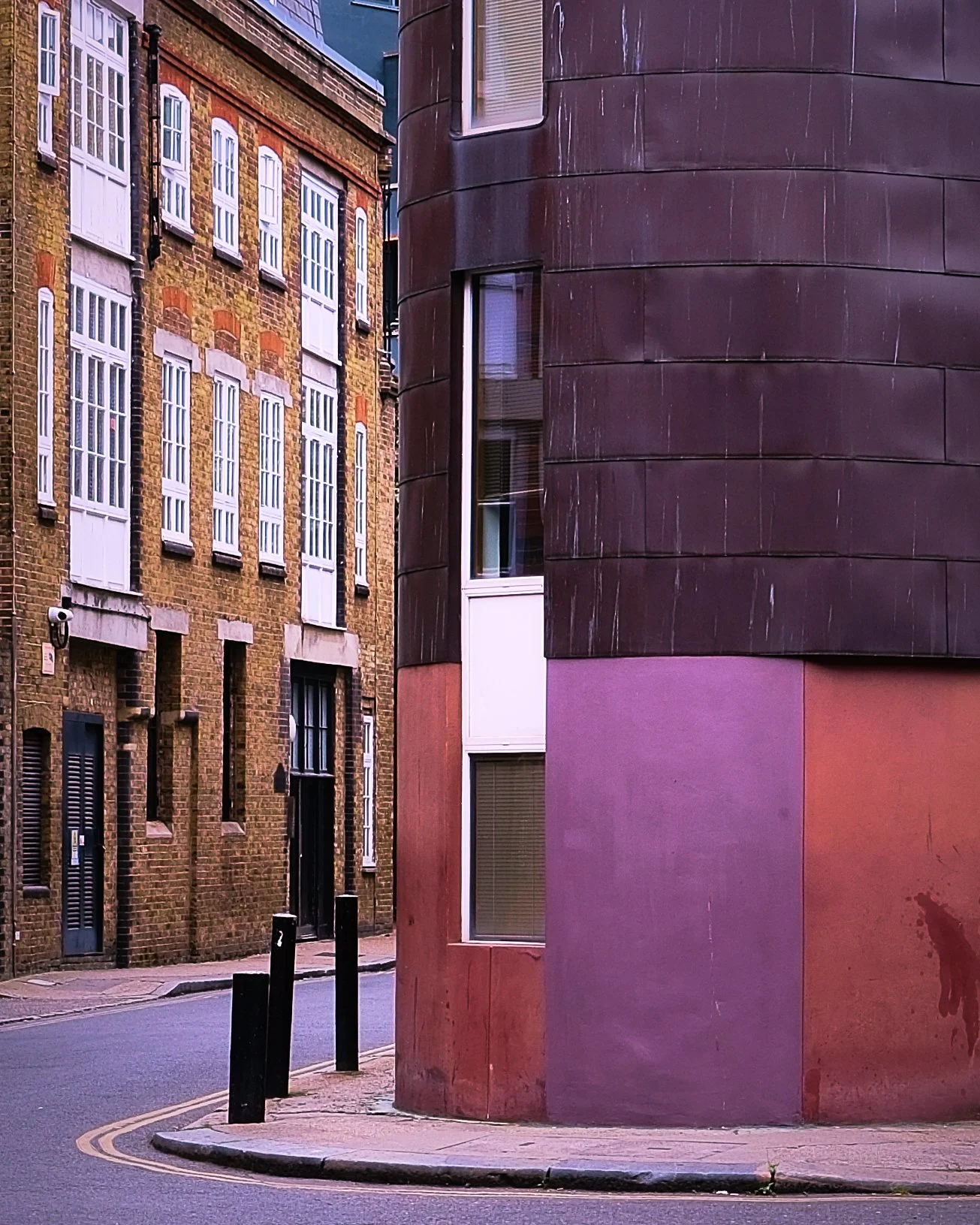
East London Photograph
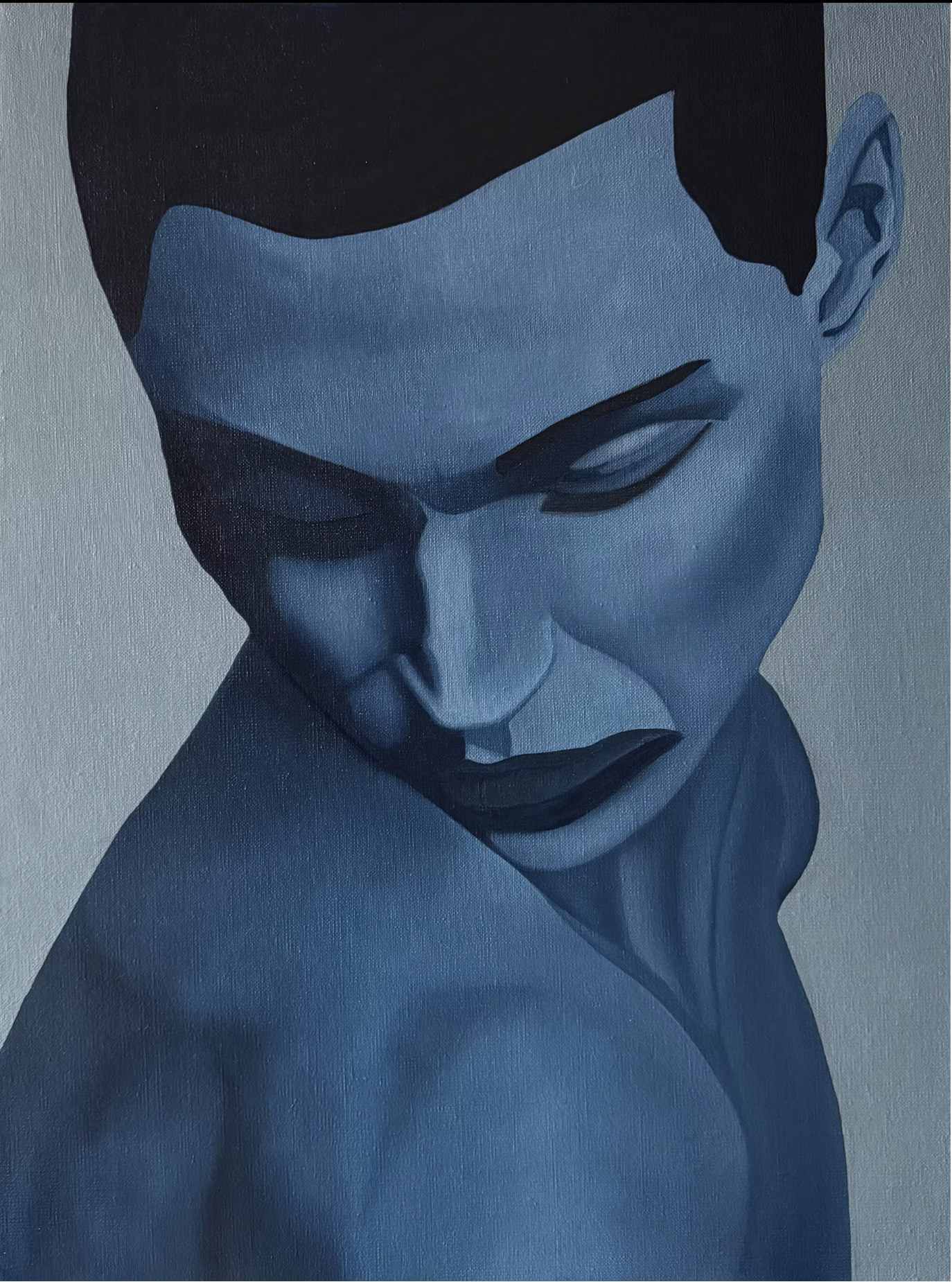
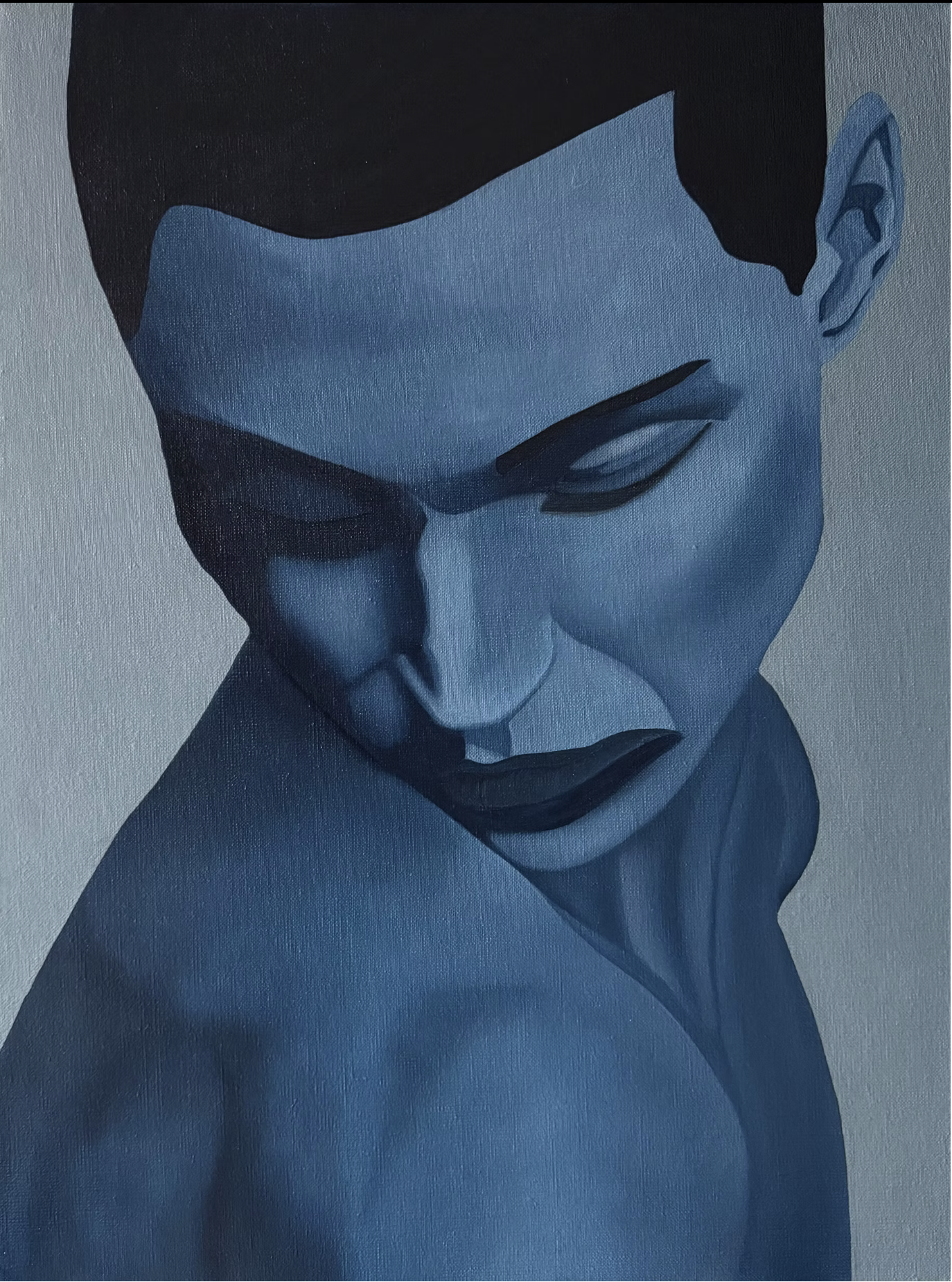
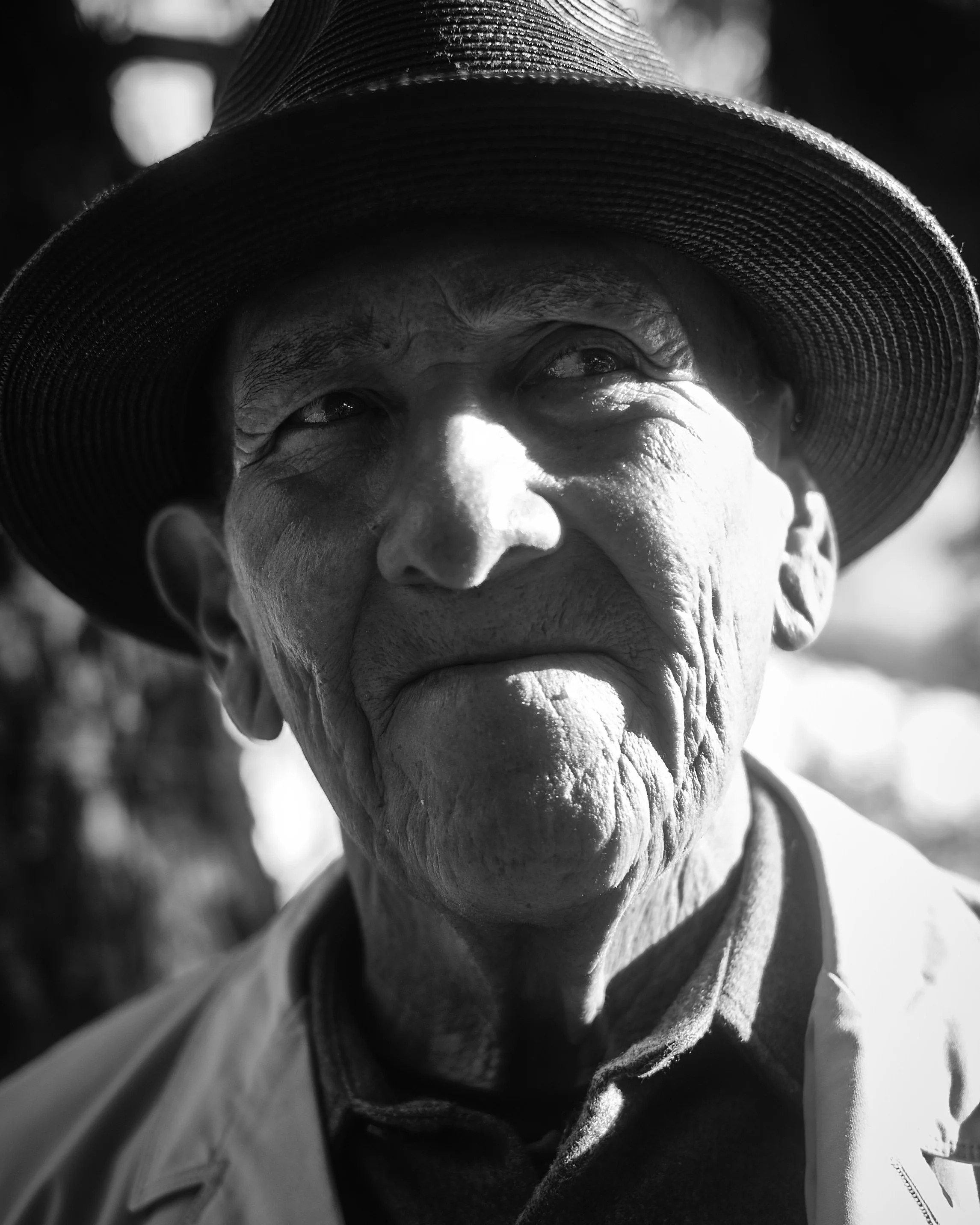
Stoic Charachter
From the Atelier Collection
- Tim Muddiman
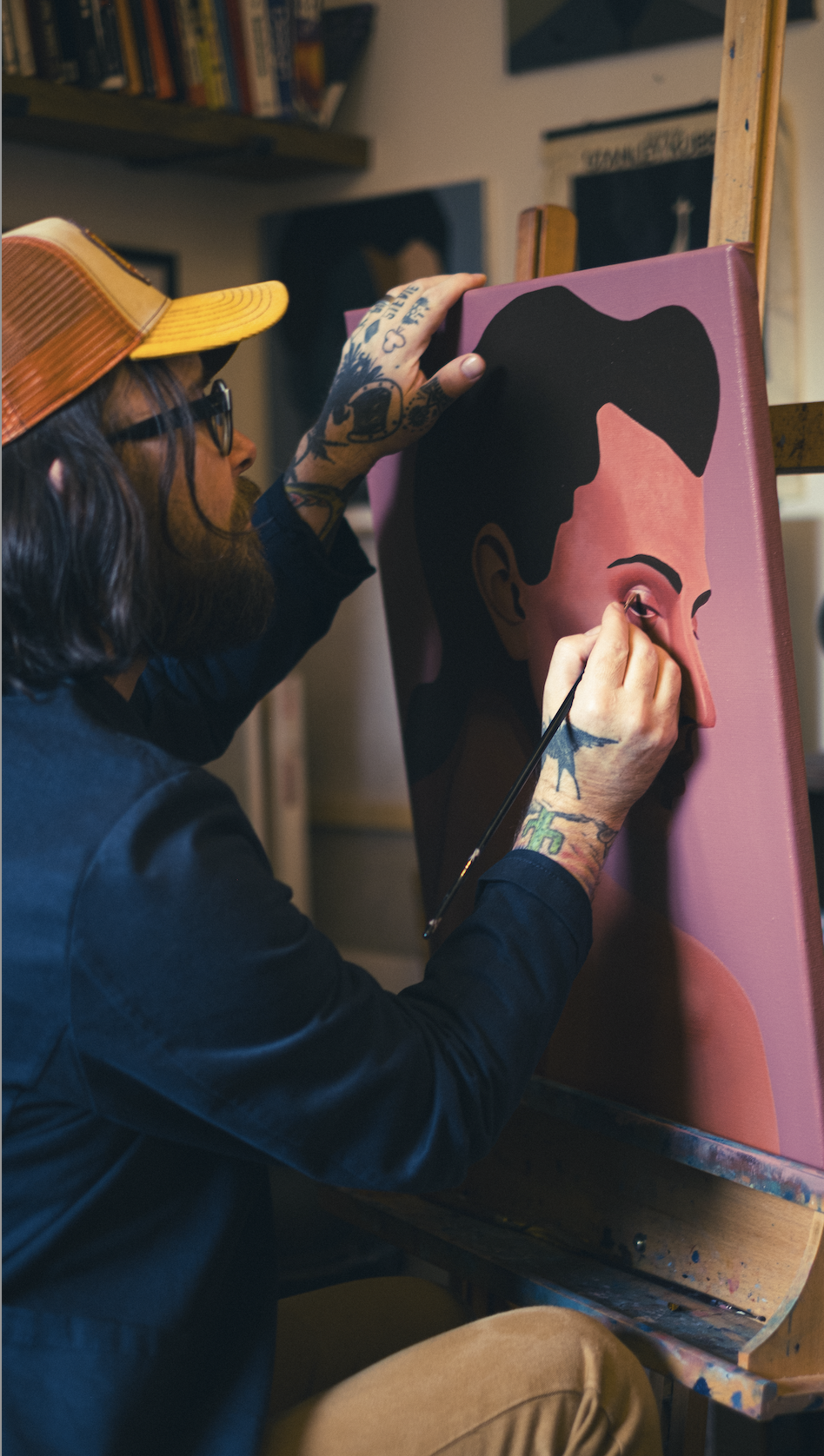
Tim Muddiman’s practice investigates the intersection of architectural space and lived human experience. Working across painting and photography, Muddiman approaches the built environment as a site of historical continuity and psychological weight. In his ongoing research project The Anderson Houses, he documents ten surviving Northampton residences designed by the architect Alexander Ellis Anderson (1866–1935). By combining archival inquiry with environmental portraiture and architectural studies, the series examines how early twentieth-century domestic design frames contemporary life.
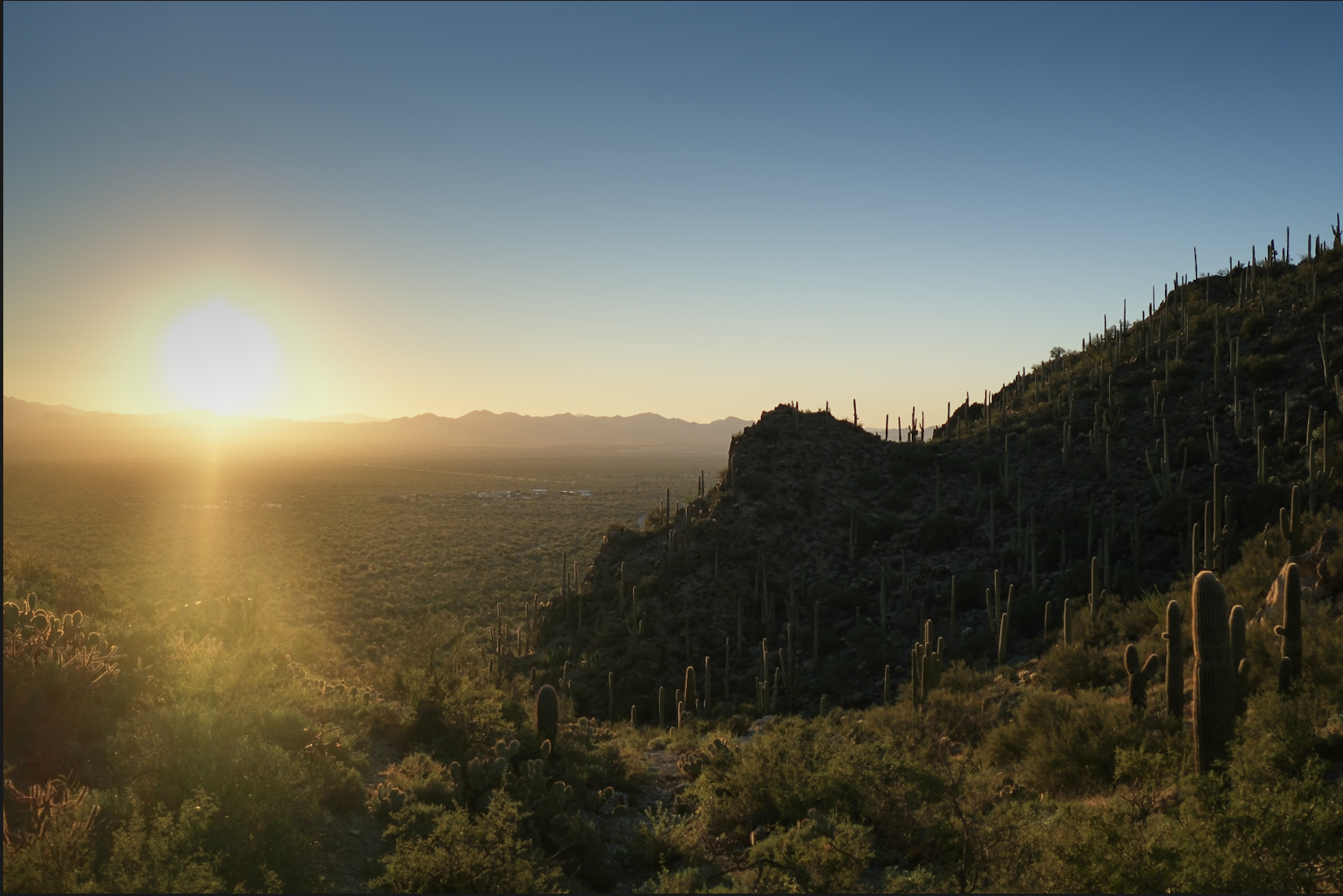
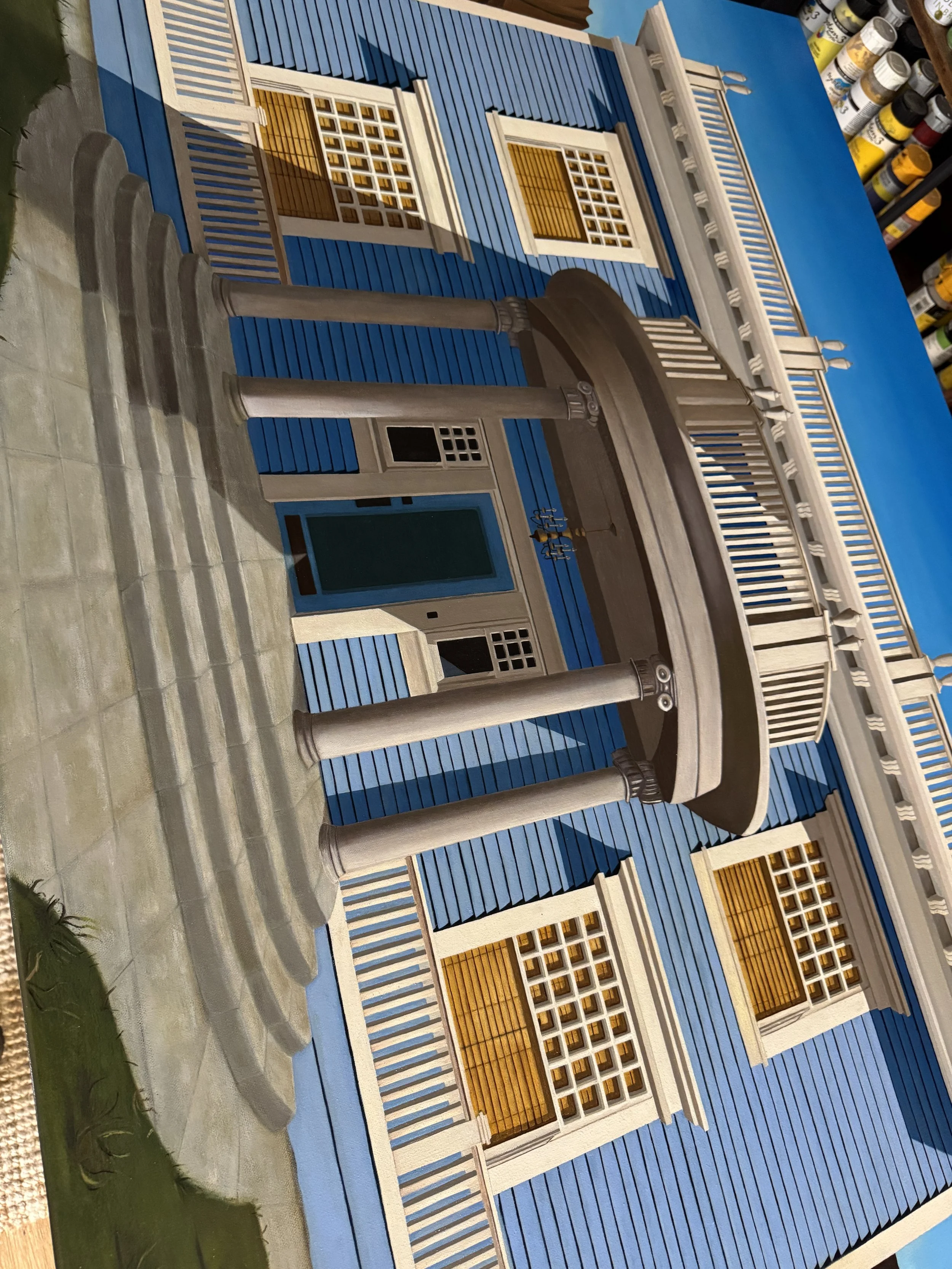
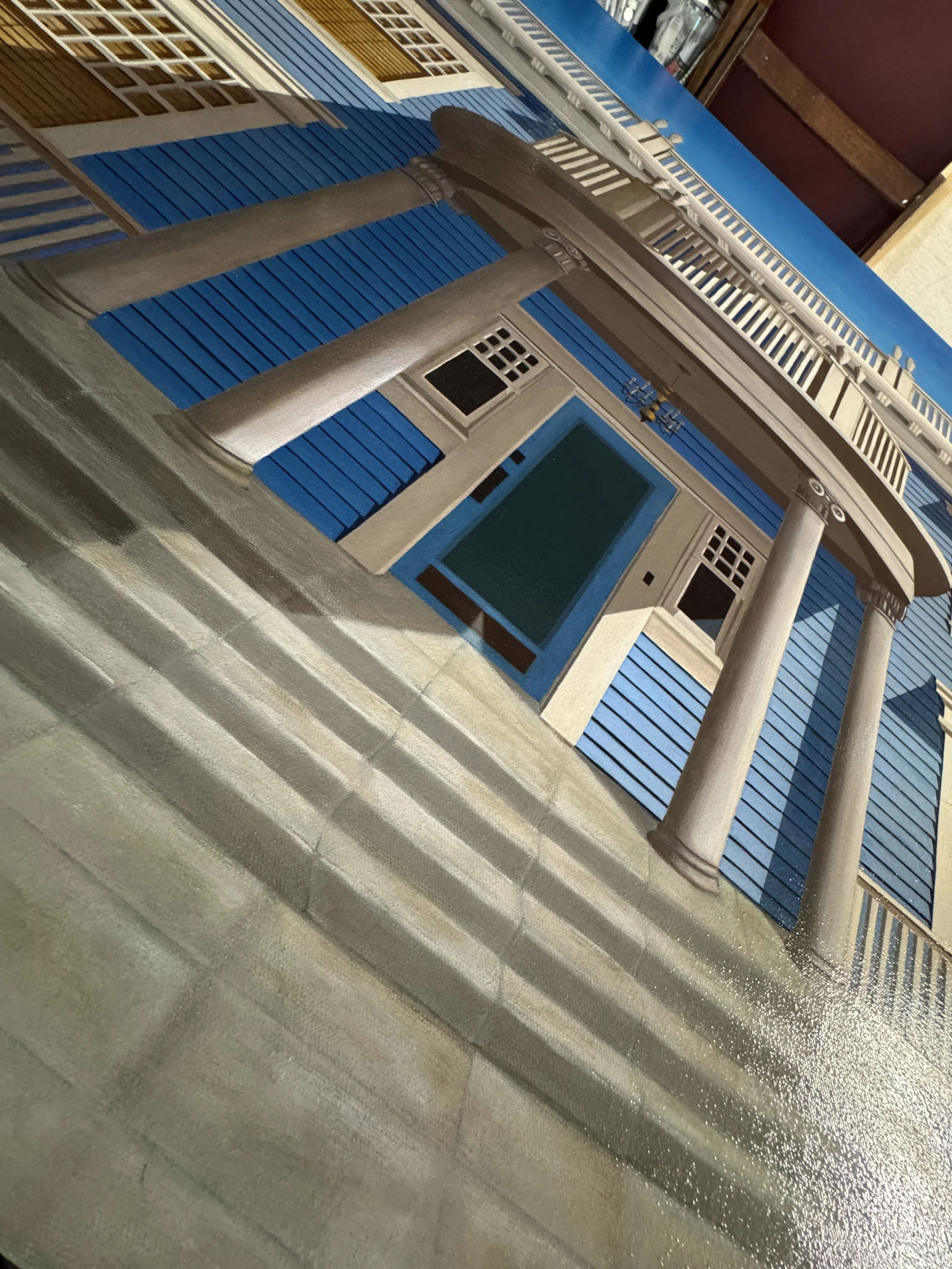
This documentary methodology also anchors his recent work in Tucson, Arizona, where he records communities navigating recovery and social transformation. Across his studio output, Muddiman’s oil paintings on linen and wood distil buildings and interiors into restrained compositions of planar geometry and tonal light. Transitioning from acrylic to oil has sharpened the material density of his surfaces, stripping away incidental narrative in favour of structural clarity.
Prior to focusing exclusively on visual art, Muddiman spent twenty years touring internationally as a musician, including a long tenure with Gary Numan. He contributes critical writing on art and visual culture to The Independent, Blitzed Magazine, and Drowned in Sound, and wrote Geometrical Swing. His work has been presented at Zebra One Gallery and is held in private collections globally.
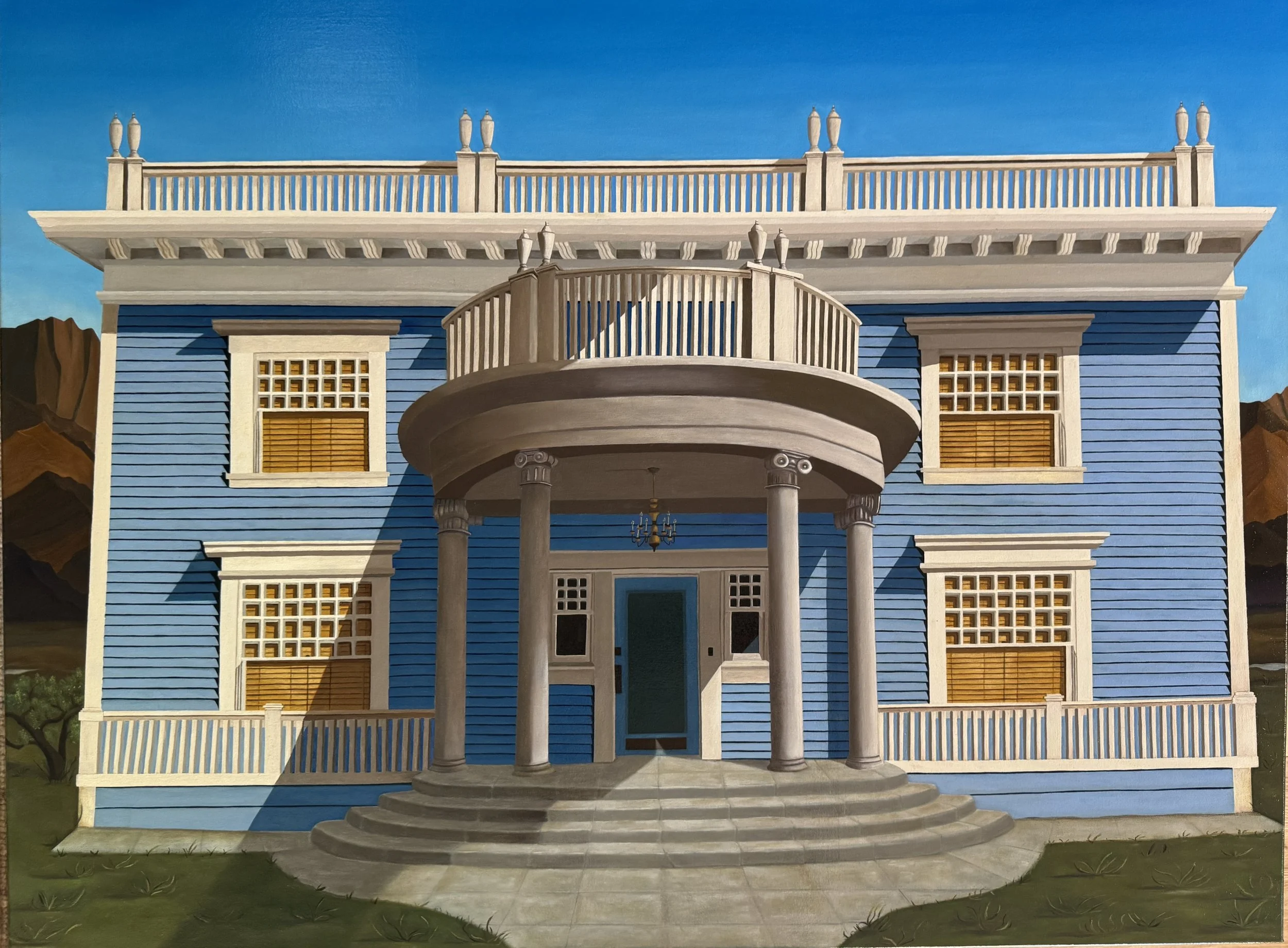
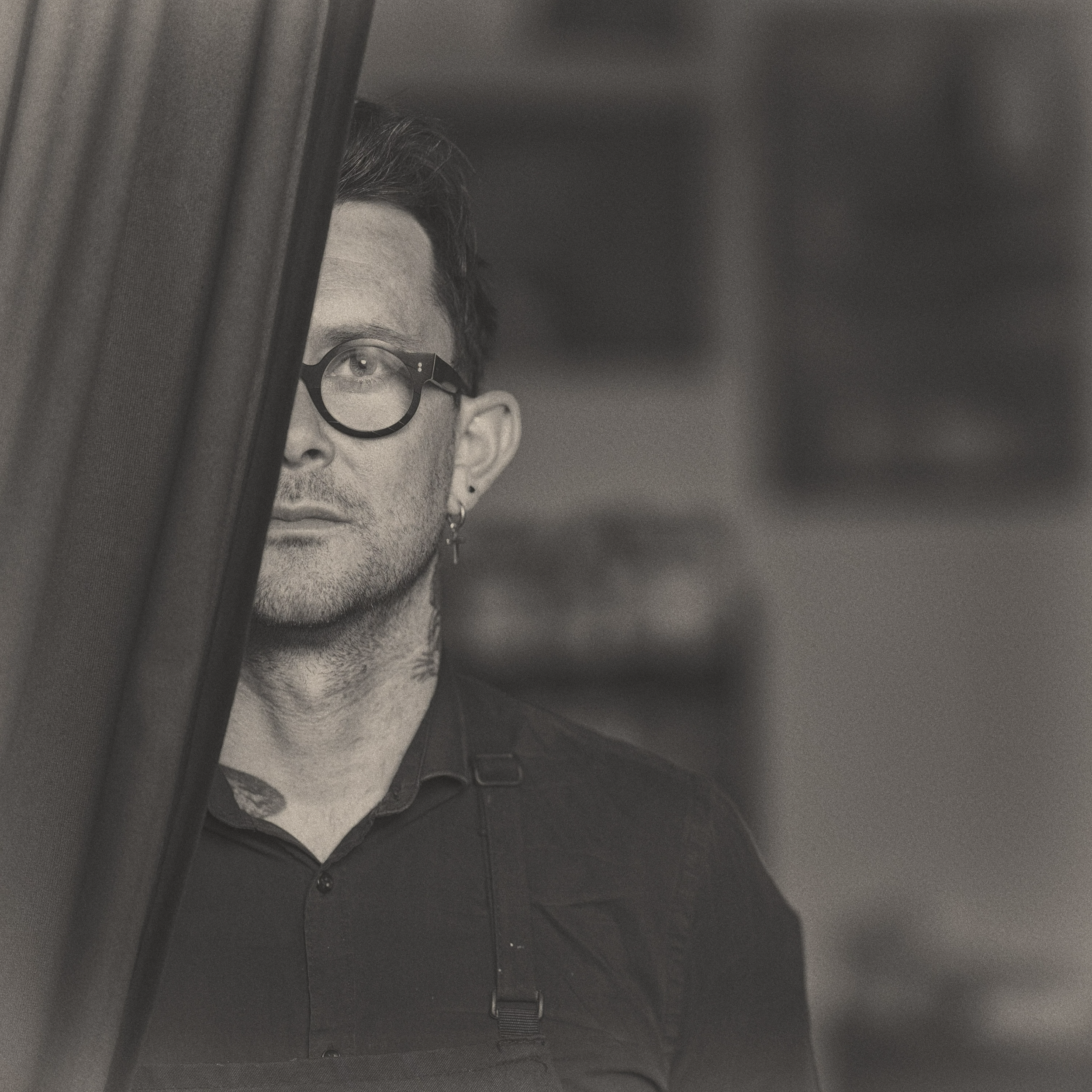
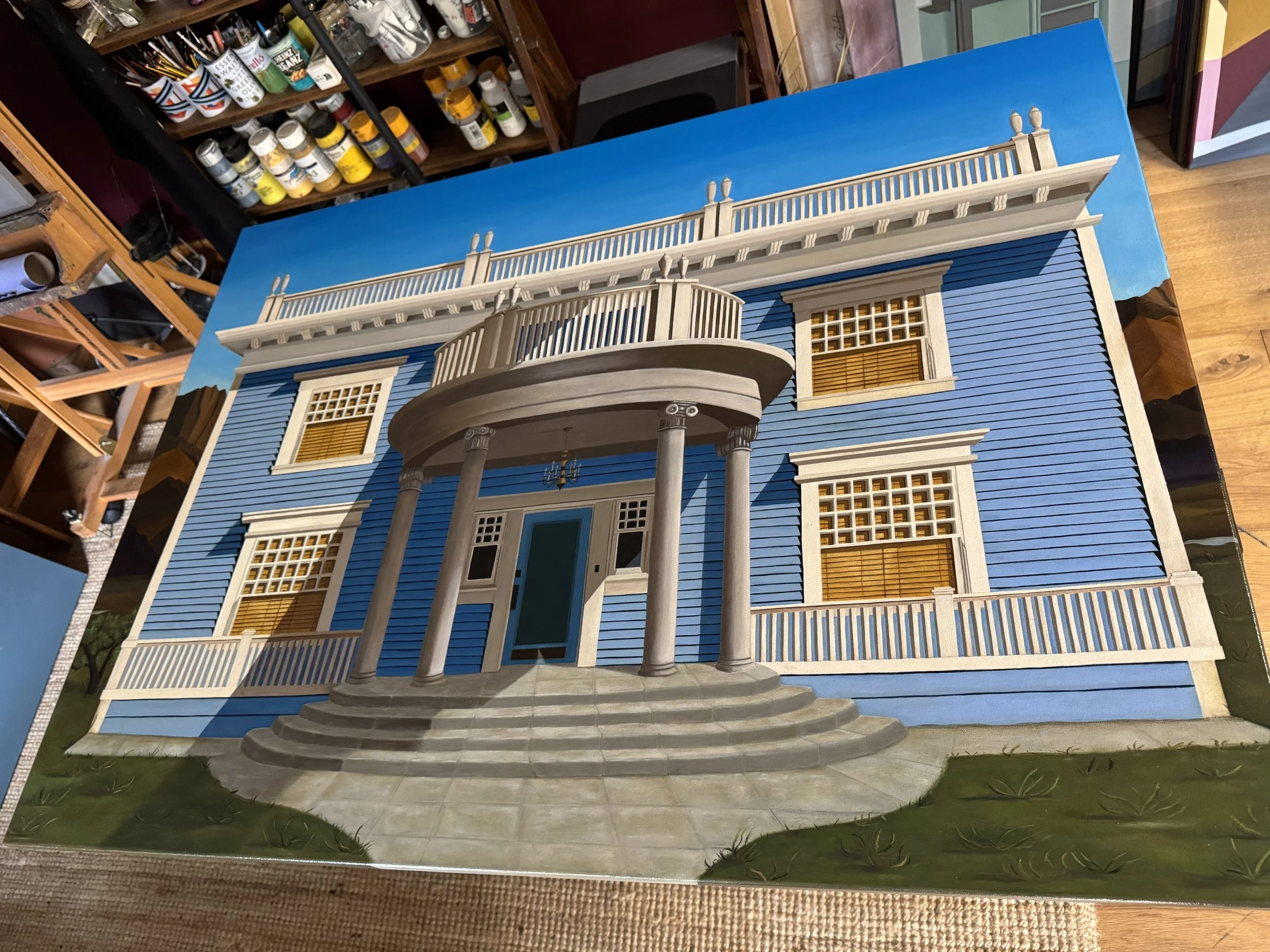
Z Mansion Portriat, Tucson Arizona.
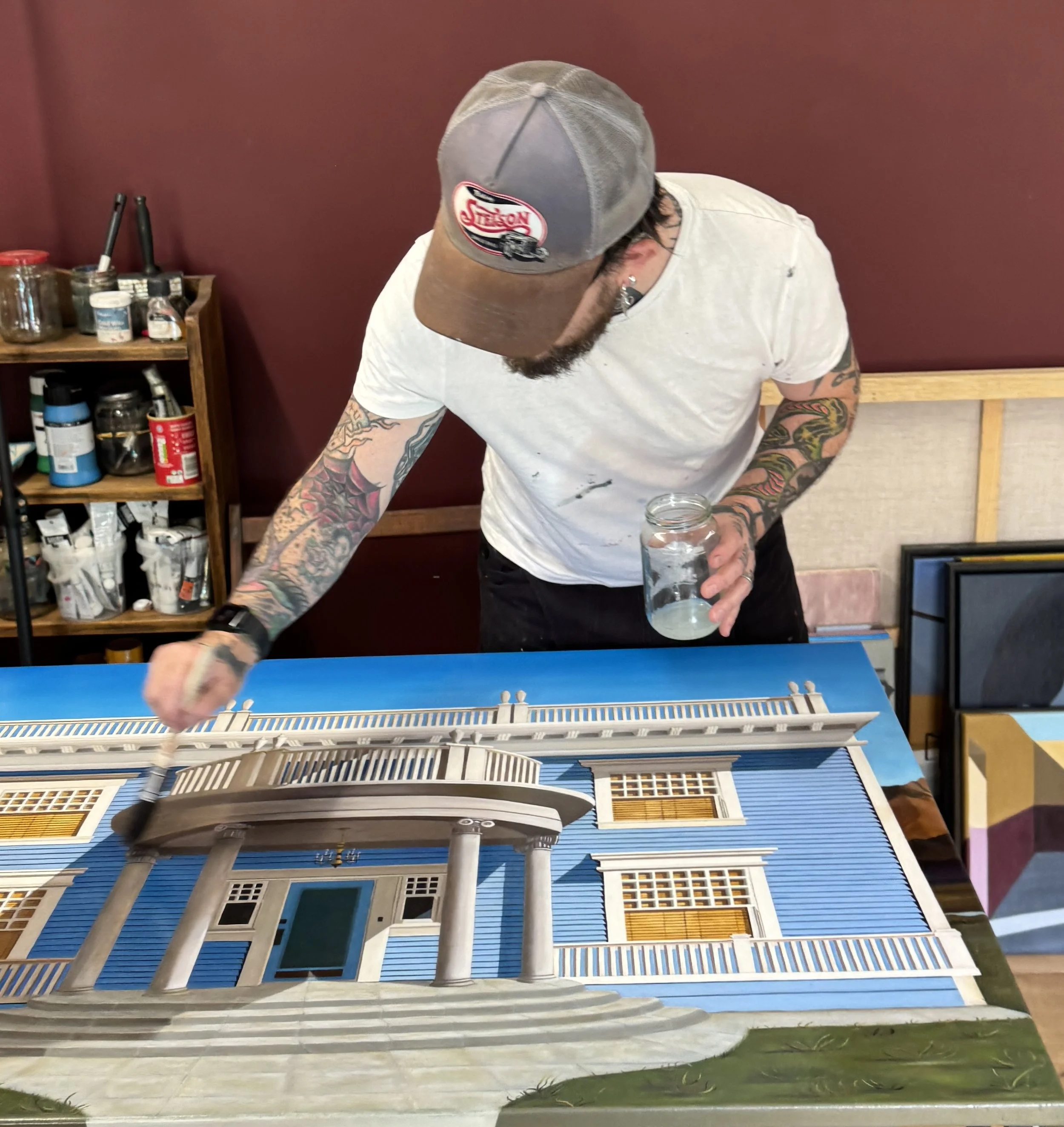
“I try to stay curious. I keep looking, and I keep asking questions. Architecture, people, landscapes and the stories held within places are what draw me in. Whether I’m painting, photographing or documenting a human experience, I look past the obvious, notice what has been overlooked and stay open to what I find.”