Alan Overton
British painter Alan Overton explores how everyday architectural forms and shifting light can be distilled into balanced geometric compositions. By isolating structural fragments such as doorways and windows across his longtime home of Frome, Somerset, he strips away superfluous detail to reveal the underlying abstract rhythms within domestic interiors and vernacular facades.

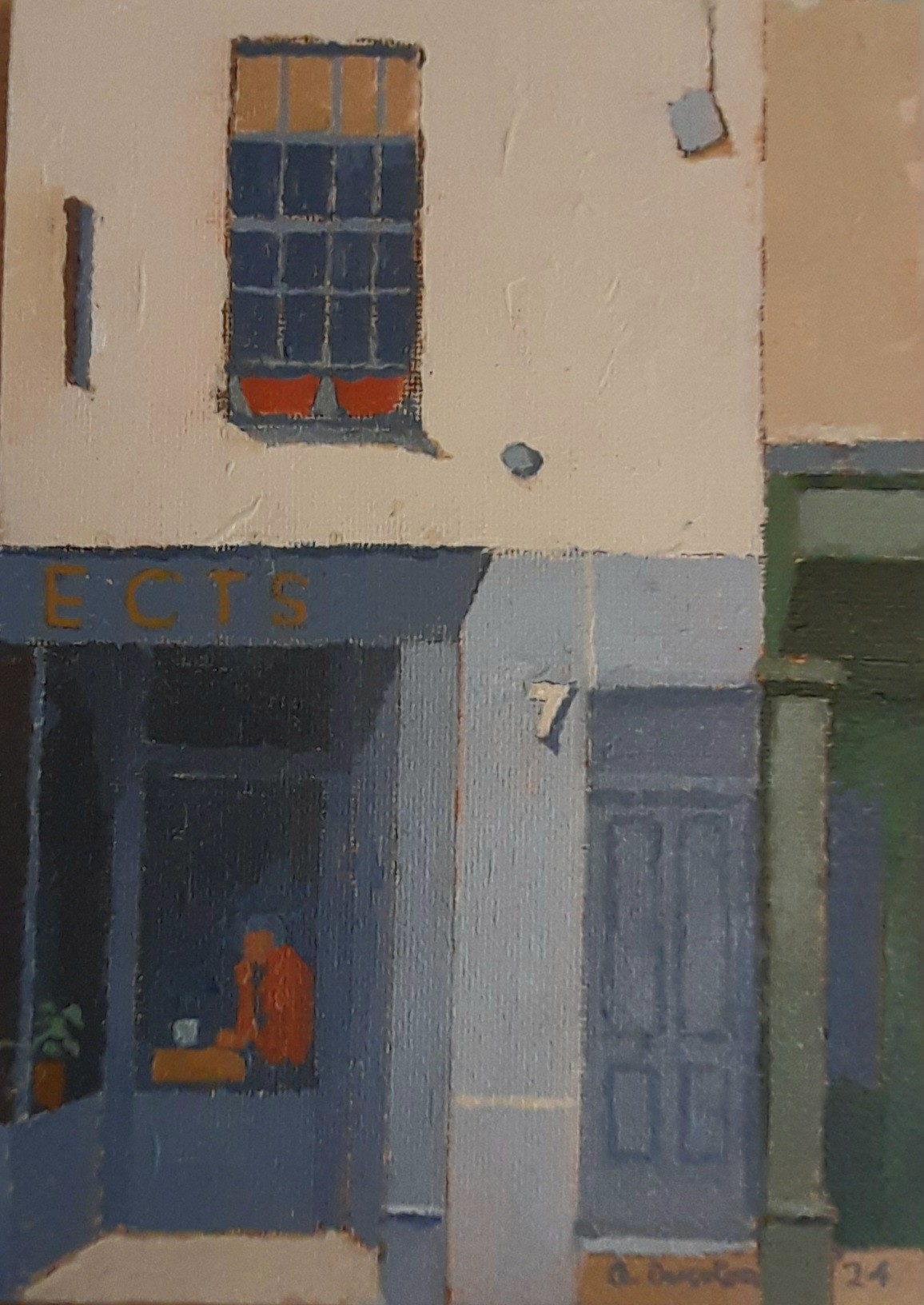
Shop doorway, Acrylic on board, 6ins x 4ins. 2025.
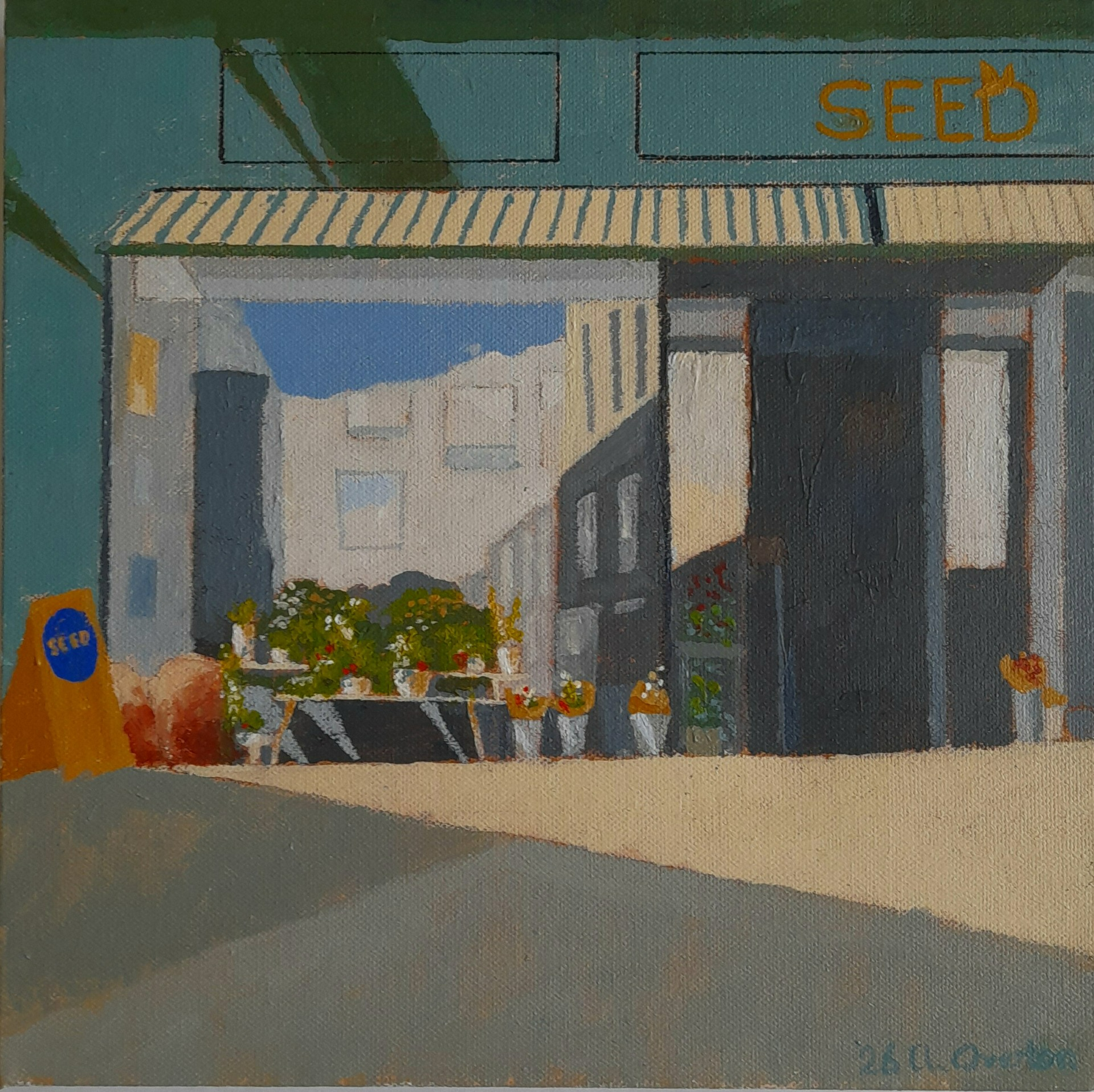
Seed's Shop, Frome. Acrylic on canvas, 10x10, 2026.
Projects ' Café. Acrylic on Board, 8ins x 6ins. 2024.
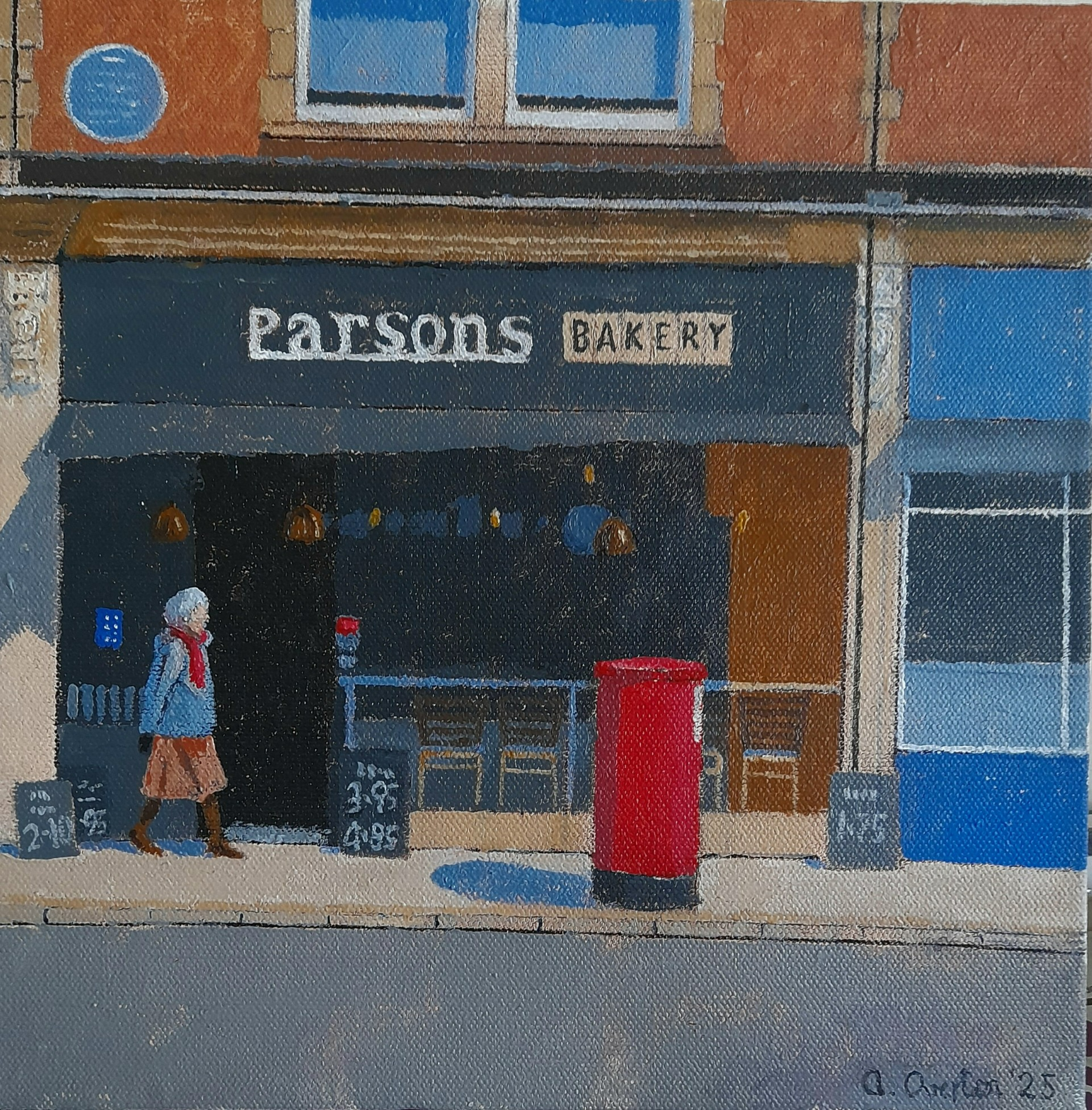
Parsons Bakery. Acrylic on canvas, 10ins x 10ins. 2025.
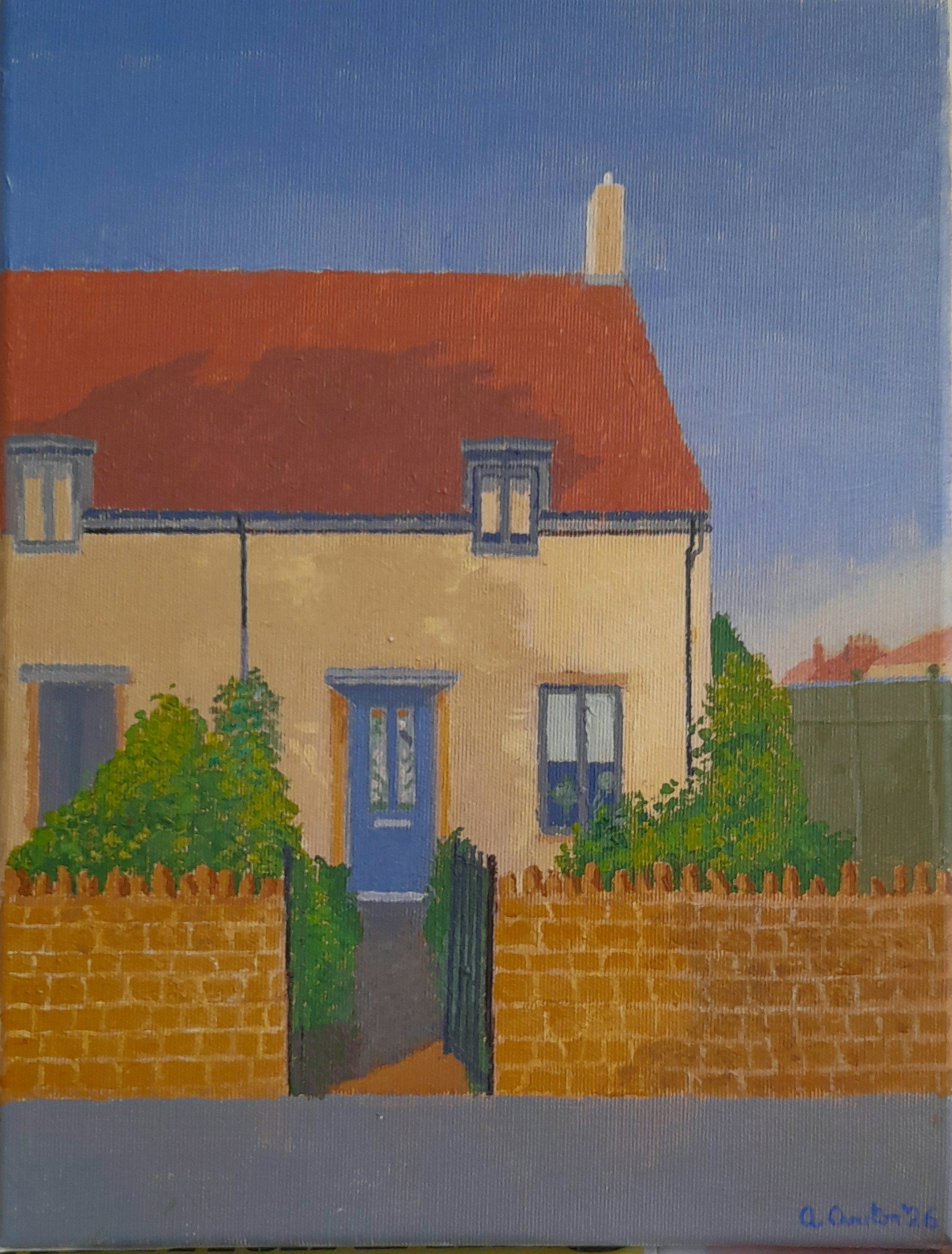
Dave's House.Acrylic on canvas, 16 ins x 12ins. 2026.
Commission for musician's CD cover. Acrylic on canvas, 8ins x 8ins. 2025.
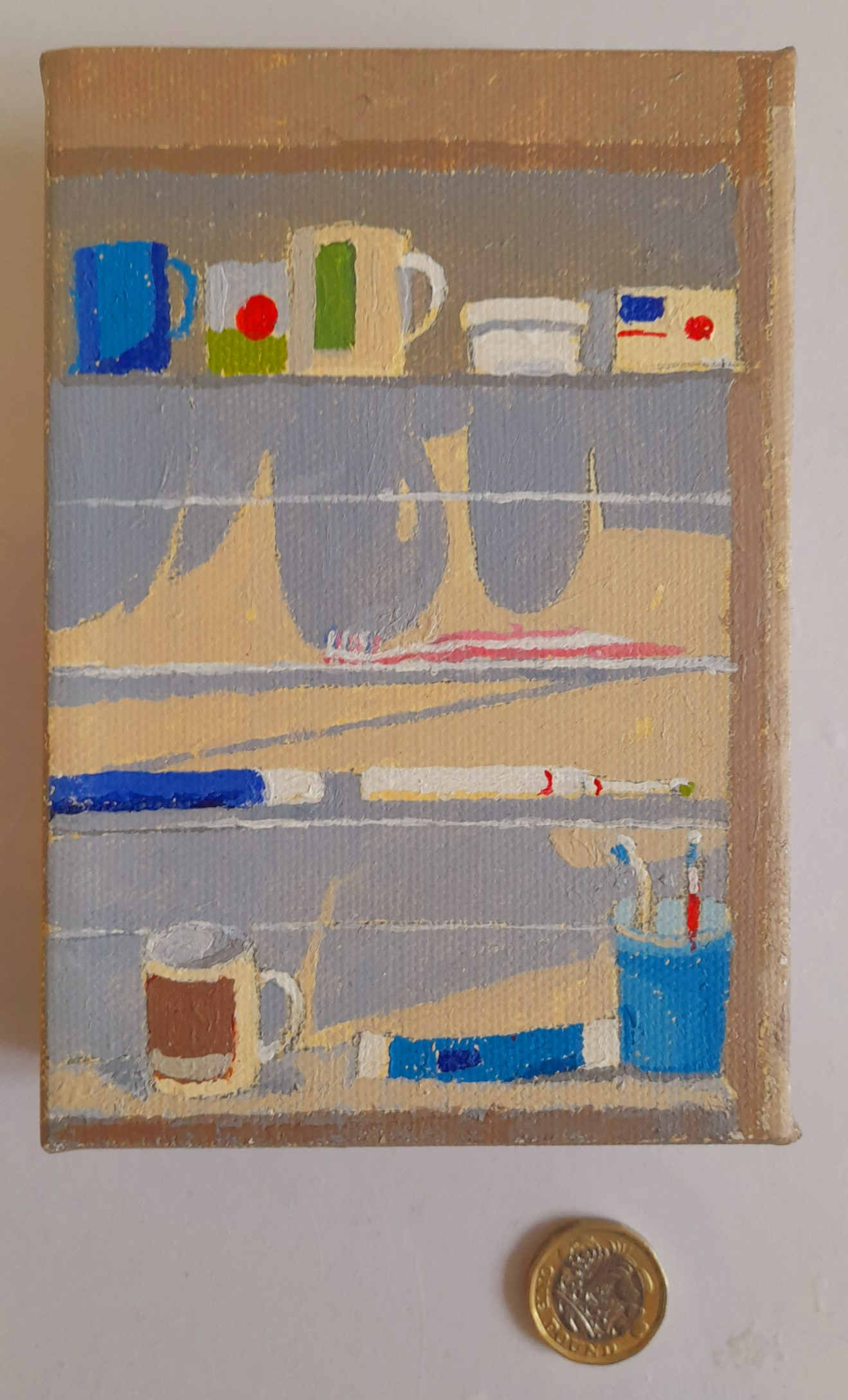
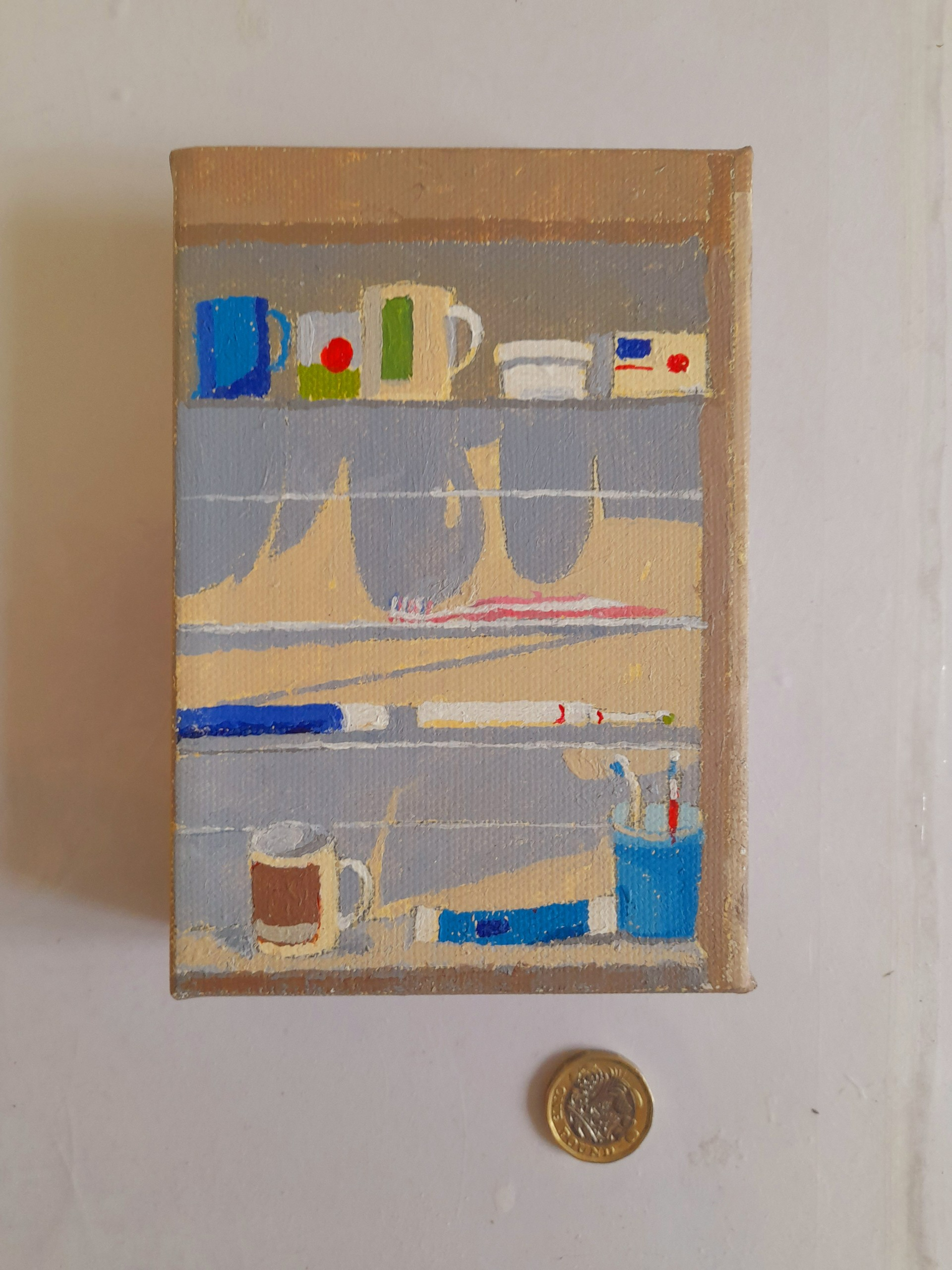
Bathroom Cabinet. Acrylic on canvas,6ins x 4ins, 2026
Chloe the Piano-Bike Girl. Acrylic on canvas, 8ins x 8ins. 2026.
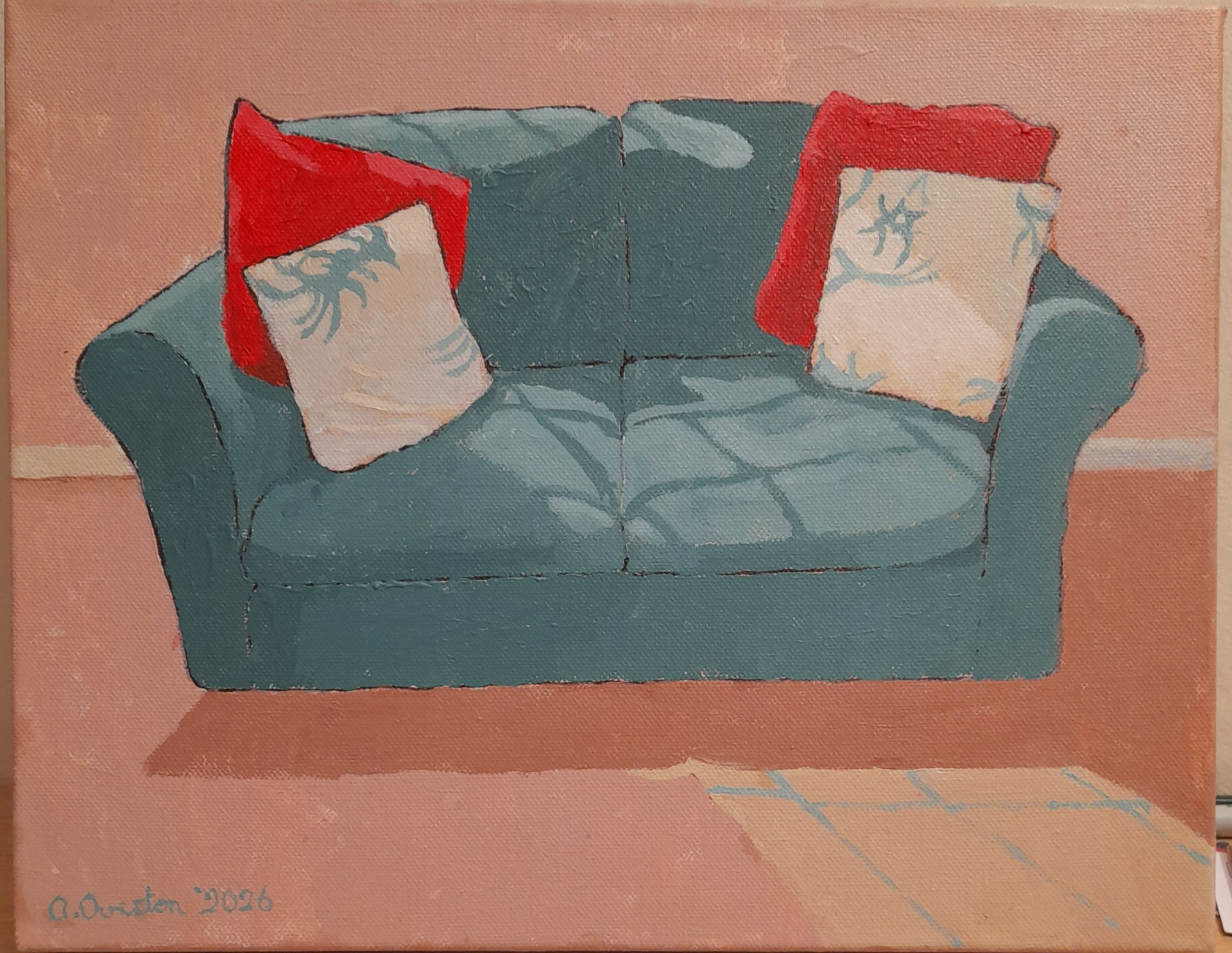
The Green Sofa. Acrylic on canvas, 10ins x 12ins. 2026
Bath Spa Station Platform. Acrylic on canvas, 8ins x 8ins. Price, 2026
From the Atelier Collection
- Alan Overton
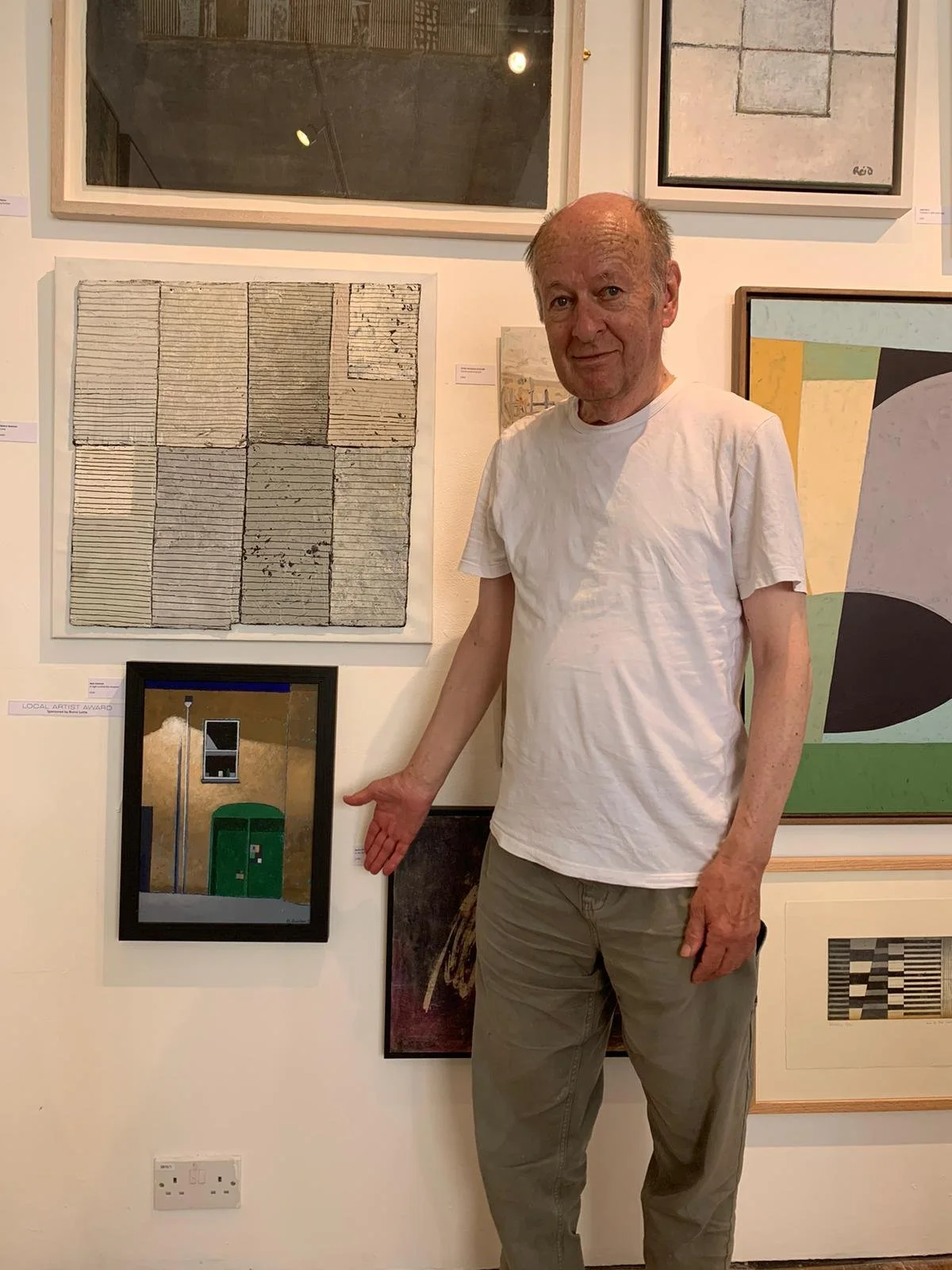
Alan Overton’s painting practice investigates the formal interplay of architectural structure, light, and spatial geometry. Working primarily in acrylic, Overton draws sustained inspiration from the built environment of Frome, Somerset—where he has resided since 1974—alongside domestic interiors and quiet café still lifes. Rather than rendering exhaustive topographical detail, the artist frequently crops his compositions to focus on isolated fragments such as a single doorway or the negative space between apertures. This deliberate visual distillation foregrounds the underlying abstraction within the everyday vernacular, elevating utilitarian facades into balanced arrangements of tone, pattern, and planar form while preserving the distinct character of each site.
Overton was educated at St. Thomas’s Boys’ School in Salisbury. His work has been presented across prominent British institutions and open exhibitions, including the Royal Academy Summer Exhibition in London, the Royal West of England Academy in Bristol, the South West Academy of Fine and Applied Arts, and Black Swan Arts in Frome. He is an active member of both the Bath Society of Artists and the Frome Art Society. Four of Overton’s works are held in the permanent 'Wessex Artists’ Collection' assembled by the late Marquess of Bath at Longleat House, Wiltshire.
“Often, it’s a particular contrast of light and shade that attracts me. Sometimes I depict a whole building, or sometimes just a part of it, such as a door, or maybe a door and a window. Narrowing it down like that tends to emphasise the abstract qualities- the shapes and patterns that doors and windows make, and the spaces between them.”